New Pool Construction
Building beautiful, lasting pools designed for how you live.
Big Becks' Blog
Enhancing Pool Safety with Non-Slip Paver Options

Intro
Your pool area should be a place for fun, relaxation, and family time—not accidents. One of the most important safety considerations in any poolside design is choosing the right surface underfoot. Wet areas can quickly become slippery and hazardous without the proper materials in place. Fortunately, there are a variety of non-slip paver options that combine style with safety. In this blog, we’ll explore top paver choices that reduce the risk of slips and falls while keeping your outdoor space beautiful and functional.
Why Slip Resistance Matters in Poolside Design
Pool decks are exposed to constant moisture, whether from splashing, wet feet, or cleaning. A slippery surface increases the risk of falls—especially for kids, older adults, or pets.
Slip-resistant pavers are designed with texture, grip, and drainage in mind to help keep everyone safe.
Key Benefits of Non-Slip Pavers:
- Enhanced safety for family and guests
- Peace of mind around active children
- Lower risk of liability in case of accidents
- Better water drainage and surface drying
Choosing the right material and finish is the first step toward creating a pool area that’s both attractive and secure.
Travertine Pavers – Naturally Slip-Resistant and Cool
Travertine is a natural stone that has become a poolside favorite—and for good reason. Its porous surface offers excellent traction, even when wet.
Safety Features:
- Textured finish for improved grip
- Stays cool under direct sunlight
- Naturally porous, aiding in water drainage
Style Perks:
Travertine pavers are available in beautiful, earthy tones like beige, silver, and walnut. They provide a luxurious look while offering excellent slip resistance.
Best for:
Homeowners who want both elegance and safety, especially in high-traffic or kid-friendly pool areas.
Textured Concrete Pavers – Customizable and Reliable
Concrete pavers are a versatile, cost-effective choice—and when textured properly, they become an excellent non-slip surface for pool decks.
Safety Features:
- Available with non-slip finishes or coatings
- Joint gaps promote quick drainage
- Easy to maintain with occasional sealing
Style Perks:
With endless shapes, colors, and patterns available, concrete can be customized to suit any design vision, from modern minimalism to rustic charm.
Best for:
Families seeking affordability and customization, without sacrificing pool safety.
Porcelain Pavers – Modern, Durable, and Safe
Porcelain may look sleek and smooth, but outdoor-grade porcelain pavers are engineered with slip resistance in mind. Many have textured or lightly sanded finishes to prevent slipping in wet areas.
Safety Features:
- Anti-slip surface ratings (check for R11 or higher)
- Impervious to water—no mold or mildew build-up
- Resistant to cracking, fading, and chemicals
Style Perks:
Porcelain pavers can mimic wood, stone, or concrete, making them a great fit for modern, low-maintenance designs.
Best for:
Design-forward homeowners who want a safe, stylish pool deck with minimal upkeep.
Brick Pavers – Classic, Grippy, and Timeless
Brick pavers have a naturally rough texture, making them a surprisingly solid choice for non-slip pool decks. They bring warmth, character, and reliable performance to any outdoor space.
Safety Features:
- Textured surface for excellent grip
- Strong durability under foot and weather
- Drains well when spaced properly
Style Perks:
Brick pavers offer rich, rustic tones and a timeless charm that blends beautifully into traditional and cottage-style landscapes.
Best for:
Homeowners looking for a classic look that doesn’t compromise on traction or toughness.
Conclusion
Safety should never take a backseat to style—especially when it comes to your family. With the right non-slip pavers, you can create a beautiful outdoor space that’s as secure as it is stunning. From the cooling qualities of travertine to the high-performance grip of outdoor porcelain, there’s a paver to fit every aesthetic and safety need.
CLICK HERE to read our ultimate guide to paver materials and find the safest match for your family’s pool.
Frequently Asked Questions: Non-Slip Pool Deck Pavers
Is there a specific safety rating I should look for to ensure my pool pavers aren’t slippery?
Yes, when selecting pavers in 2026, you should look for the Dynamic Coefficient of Friction (DCOF) rating. For pool decks and wet outdoor areas, the industry standard is typically a DCOF of 0.60 or higher. While the common indoor standard is 0.42, a pool deck requires a higher grip to account for bare feet and splashing. For porcelain pavers specifically, look for an “R11” or “R12” anti-slip rating, which indicates the material is engineered with a textured surface designed to provide traction even when submerged or soaking wet.
Why is Travertine often called the “gold standard” for poolside safety?
Travertine is unique because it is a naturally porous limestone. These microscopic pores act like tiny suction cups for your feet while simultaneously allowing water to drain through the stone rather than sitting in dangerous puddles on top. Additionally, light-colored travertine (like Ivory or Silver) has a high solar reflectance, meaning it can stay up to 20% cooler than concrete or darker stones. This prevents “reflexive jumping” from hot surfaces, which is a common cause of slips and falls among children on pool decks.
Can I make my existing pavers less slippery without replacing them?
If your current pool deck feels slick, you don’t necessarily need a full renovation. In 2026, we utilize advanced anti-slip penetrating sealers that contain microscopic “grit” additives (like clear polymer beads or silica). These treatments increase the surface friction without changing the color or look of your pavers. However, for a more permanent solution, we can also perform a “mechanical etching” or use a specialized chemical wash to open up the pores of the stone, providing a natural, long-lasting grip.
Are modern porcelain pavers safe for kids who like to run by the pool?
While no surface is 100% “slip-proof” if a child is running, outdoor-grade porcelain is specifically engineered for high-activity areas. Unlike indoor porcelain, which is glazed and smooth, outdoor porcelain pavers feature a structured, matte finish that mimics the grain of natural stone or wood. This texture provides excellent “heel-strike” stability. Furthermore, porcelain is non-porous, meaning it won’t grow the slippery algae or moss that often makes natural stone or wood decks hazardous over time.
How does “Sand-Set” installation improve the safety of my pool deck?
The way your pavers are installed affects how quickly water disappears from the surface. A “sand-set” installation on a permeable base allows water to drain through the joints between the pavers rather than running off in a sheet. This prevents hydroplaning, where a thin layer of water sits on top of the stone. By directing water into the ground quickly, the surface stays “tackier” and safer for walking, even immediately after a heavy splash or a rainstorm.
What maintenance is required to keep my pavers non-slip?
The most common cause of pavers becoming slippery over time is the buildup of organic “biofilm”—a thin, invisible layer of algae, body oils, and sunscreen. To maintain maximum grip, we recommend a deep clean every spring using a pH-neutral cleaner and a stiff-bristle brush. Avoid using high-gloss “wet look” sealers unless they contain a non-slip additive, as these topical coatings can create a smooth, plastic-like film that becomes incredibly slippery when wet.

Custom Stonework: Elevating Your Pool Area with Outdoor Kitchens and Fire Pits
Take your pool deck to the next level. Explore the design benefits of custom masonry, and see how adding a…
Adrian Lasala

Designing the Perfect Pool Deck: Balancing Safety, Texture, and Style
Designing a beautiful pool deck is more than just picking a color. Discover the critical relationship between wet-surface safety, comfort…
Adrian Lasala
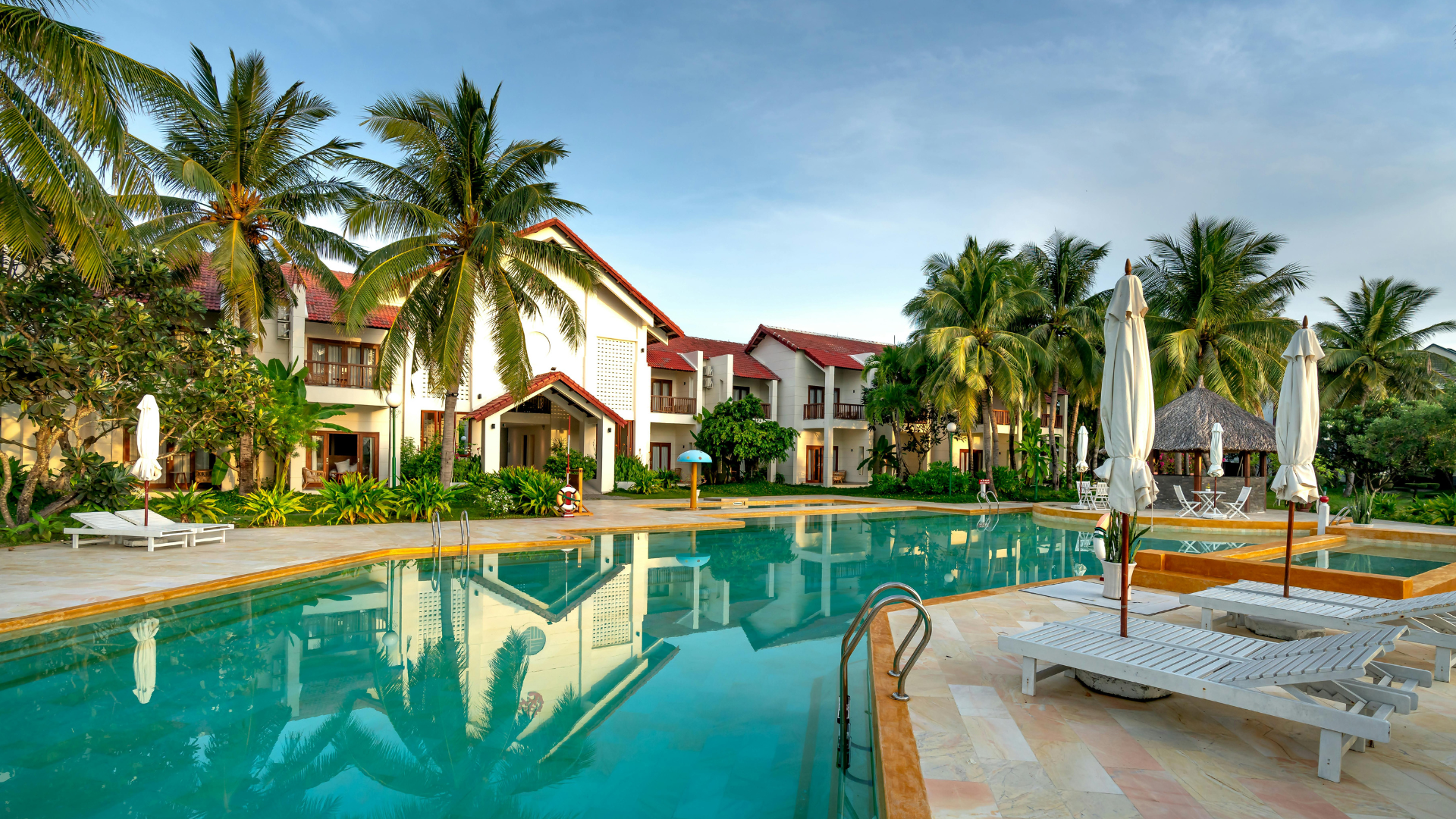
Pavers vs. Concrete: Why Long Island Homeowners Choose Premium Hardscaping
Discover why Long Island homeowners choose premium hardscaping over poured concrete for pool decks. Learn about winter durability, heat resistance,…
Adrian Lasala
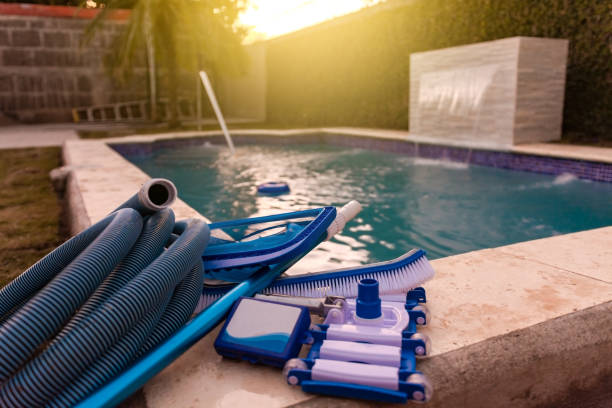
Opening vs Closing Pool Service: What Long Island Homeowners Should Know
Opening and closing a swimming pool are seasonal maintenance services that help prepare the pool for use and protect it…
AMG SEO
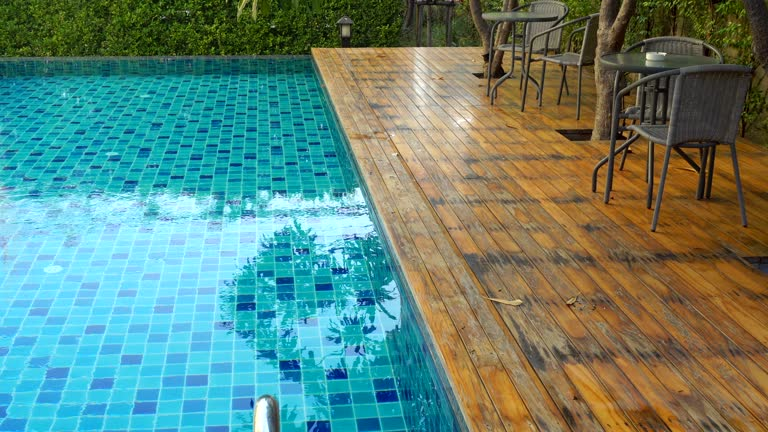
A Guide to Maintaining Clean Pool Decks and Surrounding Areas
Regular outdoor cleaning helps keep poolside surfaces, patios, and entertaining areas looking well maintained throughout the swimming season. Why Pool…
AMG SEO

How to Design a Custom Waterfall That Matches Your Pool
A well-planned pool waterfall should complement your pool’s shape, surrounding landscape, and everyday use. A custom waterfall can transform a…
AMG SEO
Pool Financing Solutions
We have partnered with Lyon Financial to provide flexible financing options.