New Pool Construction
Building beautiful, lasting pools designed for how you live.
Big Becks' Blog
From Closing to Opening: A Step-by-Step Timeline for Hassle-Free Pool Care
Intro
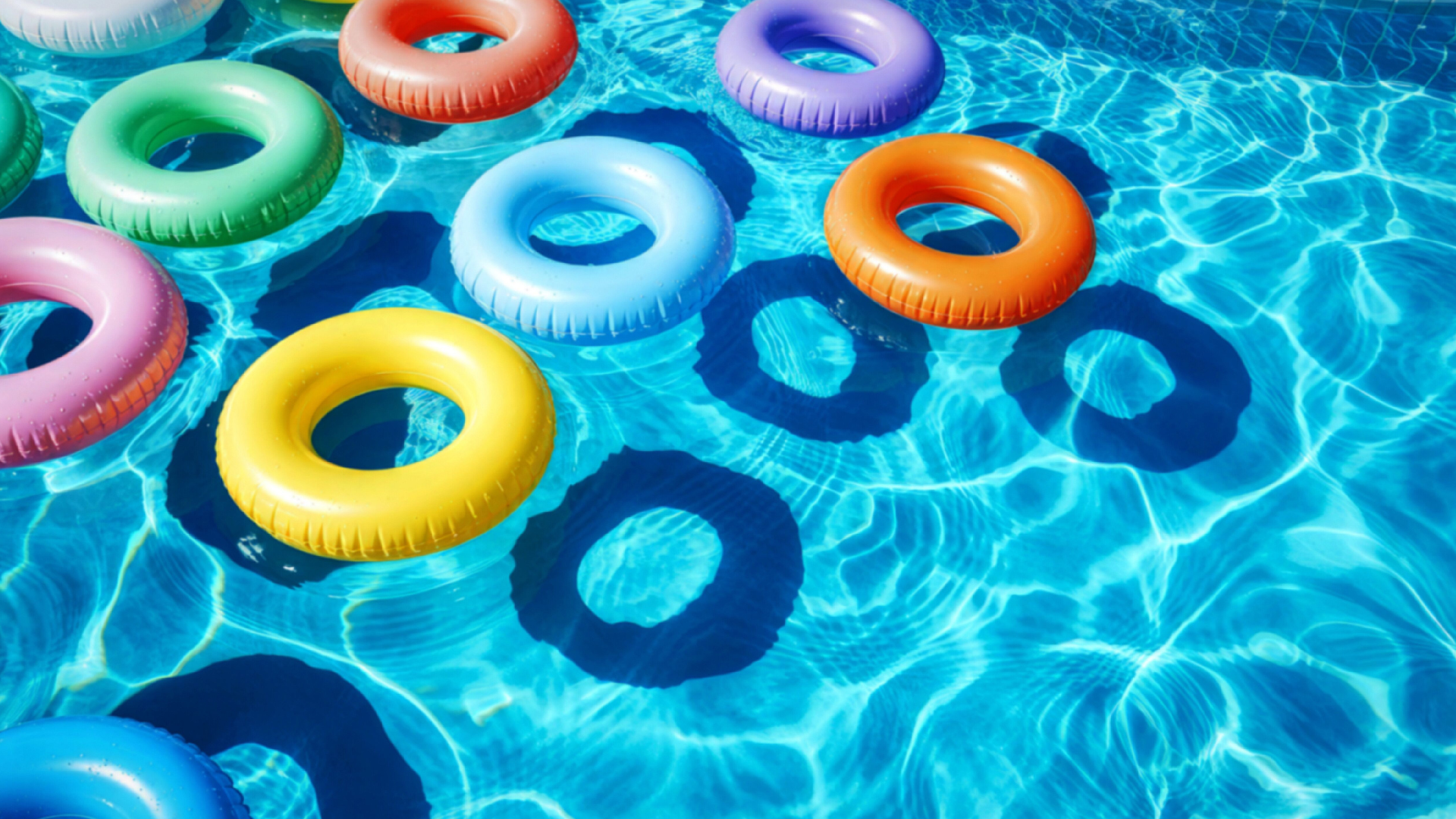
A swimming pool is a major investment, and protecting it properly requires attention during the off-season. Too often, pool owners focus only on closing procedures, then scramble months later when it’s time to reopen. By following a clear step-by-step timeline that carries you from closing in the fall through reopening in the spring, you’ll save time, avoid costly mistakes, and ensure your pool is always ready for safe, enjoyable use. This guide provides a hassle-free roadmap to keep your pool in great condition year-round.
Step 1: Fall Closing Preparations
The first step in the timeline begins in the fall, just before temperatures drop consistently. Start by cleaning the pool thoroughly—vacuum debris, brush walls, and skim the surface. Once clean, balance the water chemistry, ensuring pH, alkalinity, and calcium hardness are within recommended ranges.
Next, shock the pool and add a long-lasting algaecide to prevent winter growth. Drain water from plumbing lines, pumps, and filters, then add pool-safe antifreeze where necessary. Finally, secure a strong winter cover to shield the pool from debris and sunlight. Taking time to do these steps in the fall lays the foundation for a smooth off-season.
Step 2: Winter Check-Ins
Although your pool is covered, it still needs some attention during the winter months. Every four to six weeks, test the water to ensure chemistry is holding steady. Check sanitizer levels, pH, and alkalinity, making small adjustments if needed.
Inspect your pool cover regularly for sagging, tears, or excess weight from water and snow. Using a cover pump to remove standing water helps maintain its integrity. In areas with harsh winters, clear debris and ice away from equipment pads to reduce strain. These small check-ins prevent issues from going unnoticed until spring.
Step 3: Early Spring Pre-Opening Tasks
As temperatures begin to rise, it’s time to prepare for reopening. A few weeks before you plan to use your pool, remove debris from around the cover and begin gradually pumping excess water off. Don’t rush—removing the cover too early can allow more debris to fall in.
Inspect equipment like pumps, filters, and heaters for visible damage. Reconnect hoses and plumbing, replacing any worn parts before full start-up. This pre-opening stage helps identify issues while they’re still manageable.
Step 4: Full Pool Opening
Once the weather is consistently warm, remove and clean the pool cover thoroughly before storing it. Refill the pool to its proper level, then start the filtration system. Vacuum, brush, and skim to remove any remaining debris.
Next, balance the water chemistry. Test pH, alkalinity, calcium hardness, and chlorine levels, shocking the pool to eliminate contaminants. Running the filter continuously for the first 24–48 hours helps clear up any lingering cloudiness. Afterward, resume your normal maintenance schedule, and your pool will be ready for safe swimming.
Conclusion
Closing and reopening your pool doesn’t have to be stressful when you follow a step-by-step seasonal timeline. From fall preparations and winter check-ins to spring pre-opening tasks and full start-up, each stage builds on the last to ensure your pool remains protected and clean year-round. By staying proactive, you’ll enjoy a hassle-free pool season with fewer repairs, lower costs, and more time to relax in sparkling water.
Just as a seasonal timeline ensures a smooth pool opening, following a proven step-by-step guide can take your digital projects from a simple idea to a live launch in record time. CLICK HERE
Frequently Asked Questions
When is the absolute best time to start the “spring opening” process?
In 2026, experts recommend starting your pre-opening tasks as soon as the daily temperature consistently stays above 10°C. Opening your pool before it gets truly warm prevents algae from getting a “head start” and allows you to identify any equipment issues before the local service companies get booked out for the summer.
Can I skip the “winter check-ins” if I have a high-quality safety cover?
Even the best cover can’t stop chemical shifts or fine silt from entering the water. A quick check-in every 4 to 6 weeks ensures that your water chemistry hasn’t become corrosive, which can damage the cover’s hardware and your pool’s tile line.
What is the most common mistake people make when closing their pool?
Closing the pool too early while the water is still warm (above 18°C) is the most common error. Warm water consumes winter chemicals much faster, often leaving the pool unprotected for the final months of winter and resulting in a green pool come springtime.
How can a Virtual Assistant help with my seasonal maintenance?
A specialized VA can manage your entire maintenance calendar—sending you reminders for chemical checks, researching the best prices for replacement filters, and even tracking your pool’s chemical history in a spreadsheet so you can spot long-term trends and save money.
How do I use my seasonal pool success to attract more customers?
Documenting your seasonal transitions through Social Media Stories and Shorts is a powerful way to drive brand equity. Seeing the transformation from a “winterized” pool to a “sparkling summer oasis” builds trust with your audience and proves your expertise as a meticulous owner or service provider.
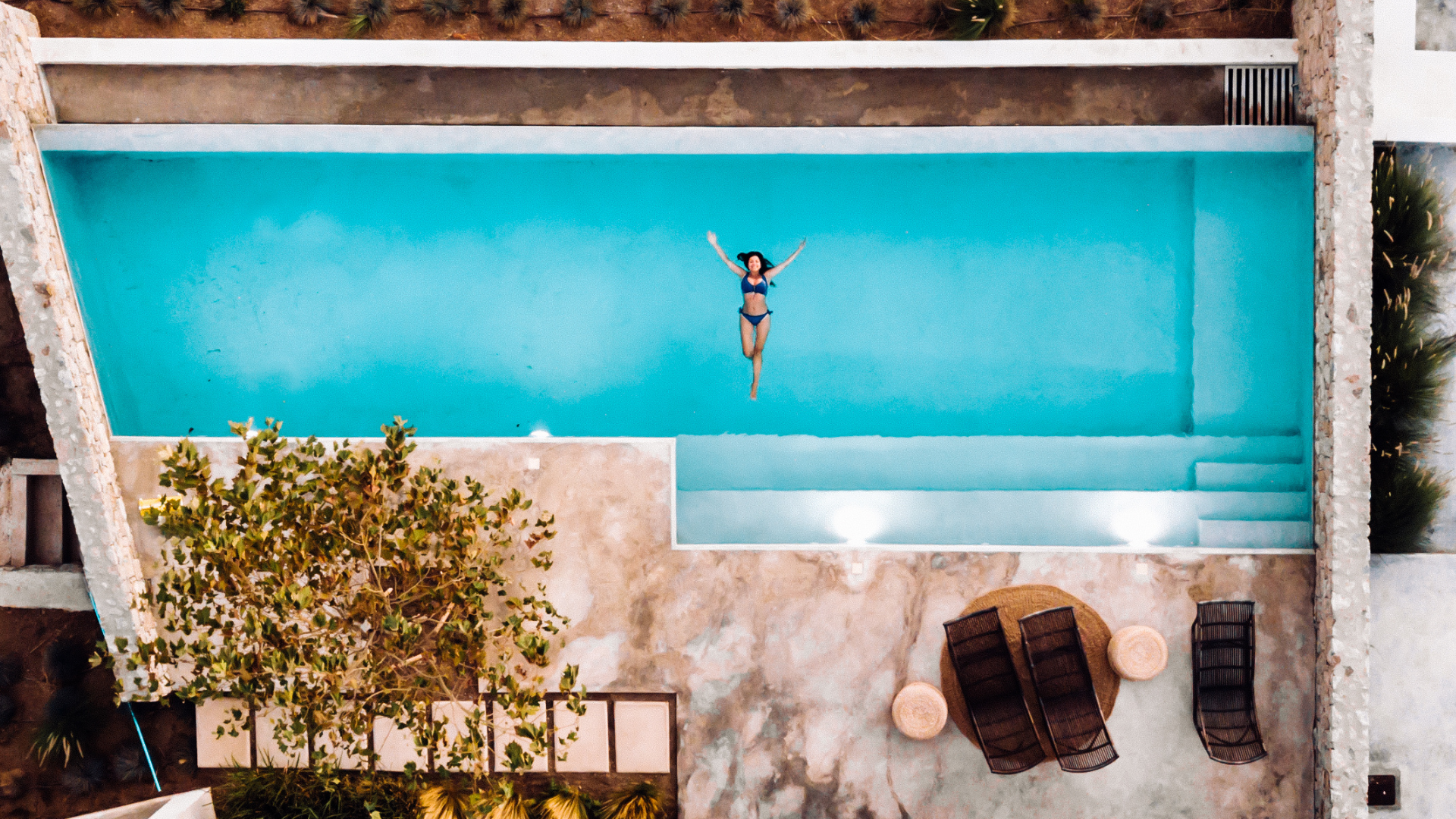
Create Your Ultimate Outdoor Living Space with Big Becks Pools and Pavers
Ready for a total backyard transformation? Discover how Big Becks Pools and Pavers creates custom outdoor kitchens and luxury living…
Adrian Lasala
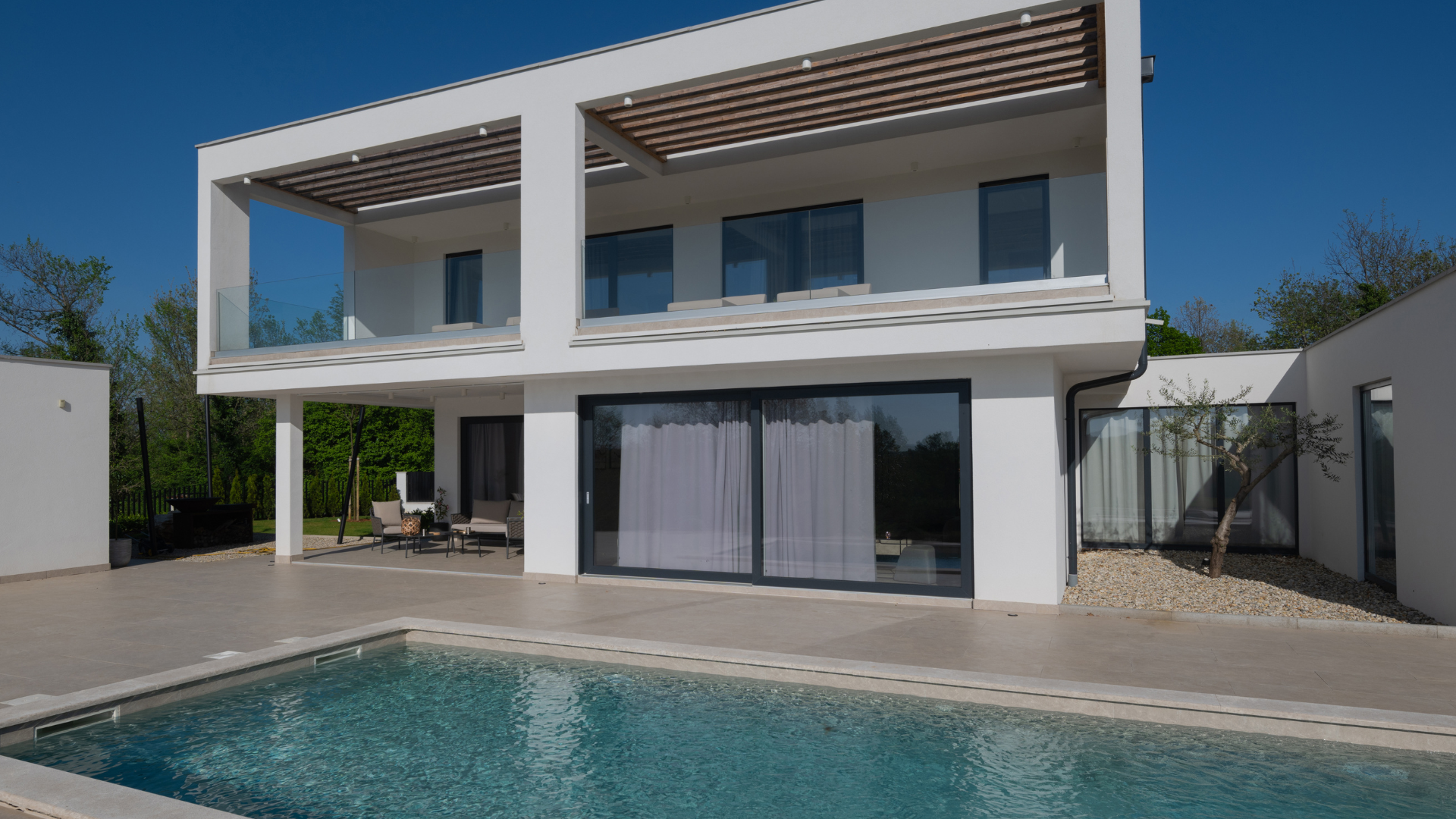
Expert Pool Maintenance & Winter Closings: Keep Your Pool Pristine Year-Round
From summer chemical balancing to essential winterizations, learn how Big Becks Pools and Pavers keeps your pool safe and sparkling…
Adrian Lasala

Custom In-Ground Pools & Elegant Pavers in Nassau County
Looking for the best pool and paver contractor in Nassau County? Big Becks Pools and Pavers specializes in custom in-ground…
Adrian Lasala
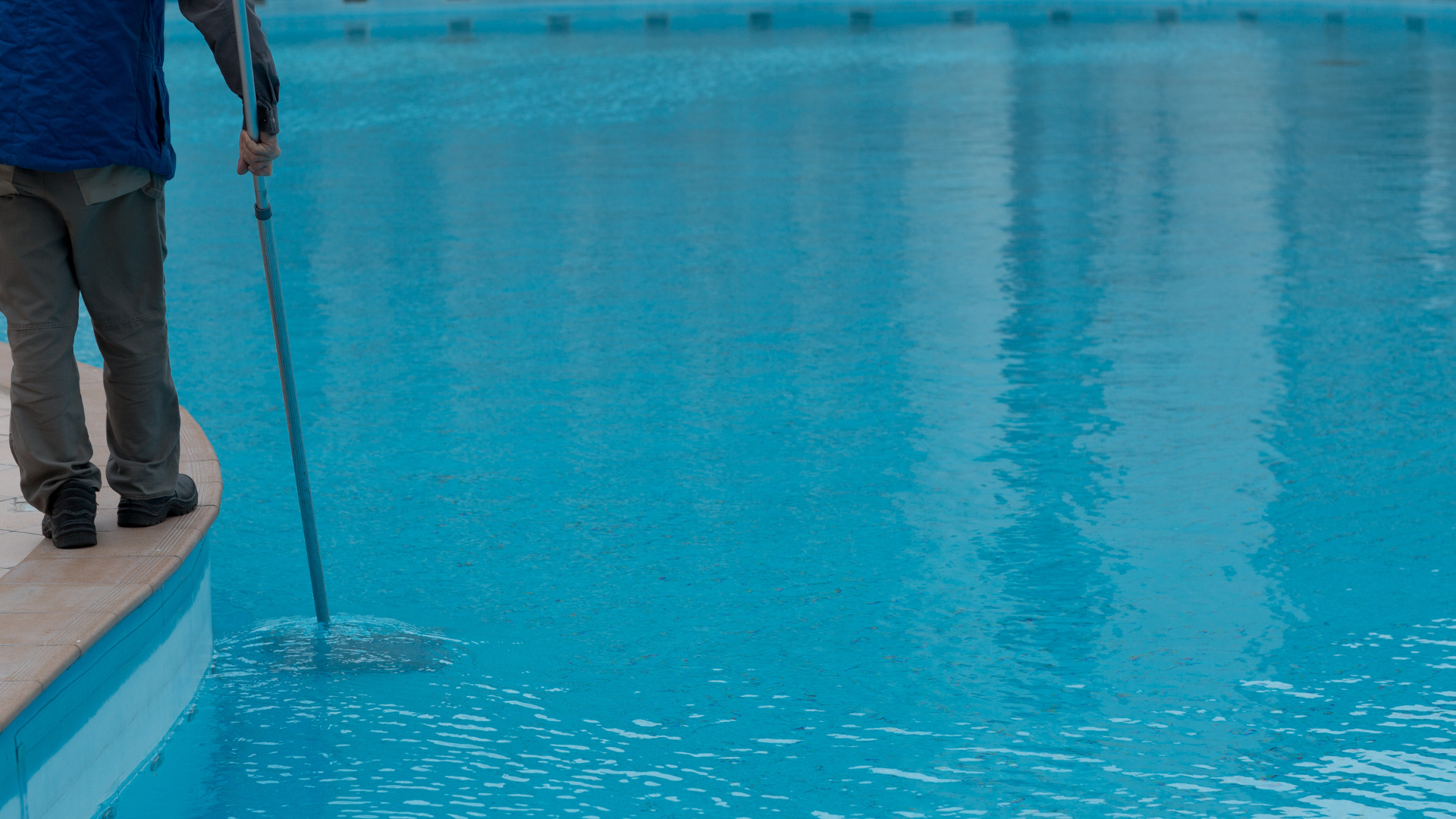
Your One-Stop Shop for Pool Supplies, Service, and Water Testing
From professional water testing to on-site equipment repairs, Big Becks is your local headquarters for everything pool-related. Discover our full…
Adrian Lasala

From Concept to Completion: Professional Pool Installation & Renovations
Looking for a stress-free pool build? Explore the “Concept to Completion” approach at Big Becks, where we specialize in professional…
Adrian Lasala

Award-Winning Pool Design & Custom Masonry by Big Becks
Trust your backyard to the best in the business. Discover how our award-winning pool designs and expert custom masonry can…
Adrian Lasala
Pool Financing Solutions
We have partnered with Lyon Financial to provide flexible financing options.