New Pool Construction
Building beautiful, lasting pools designed for how you live.
Big Becks' Blog
Paver Maintenance 101: Keeping Your Outdoor Spaces Looking New
Intro
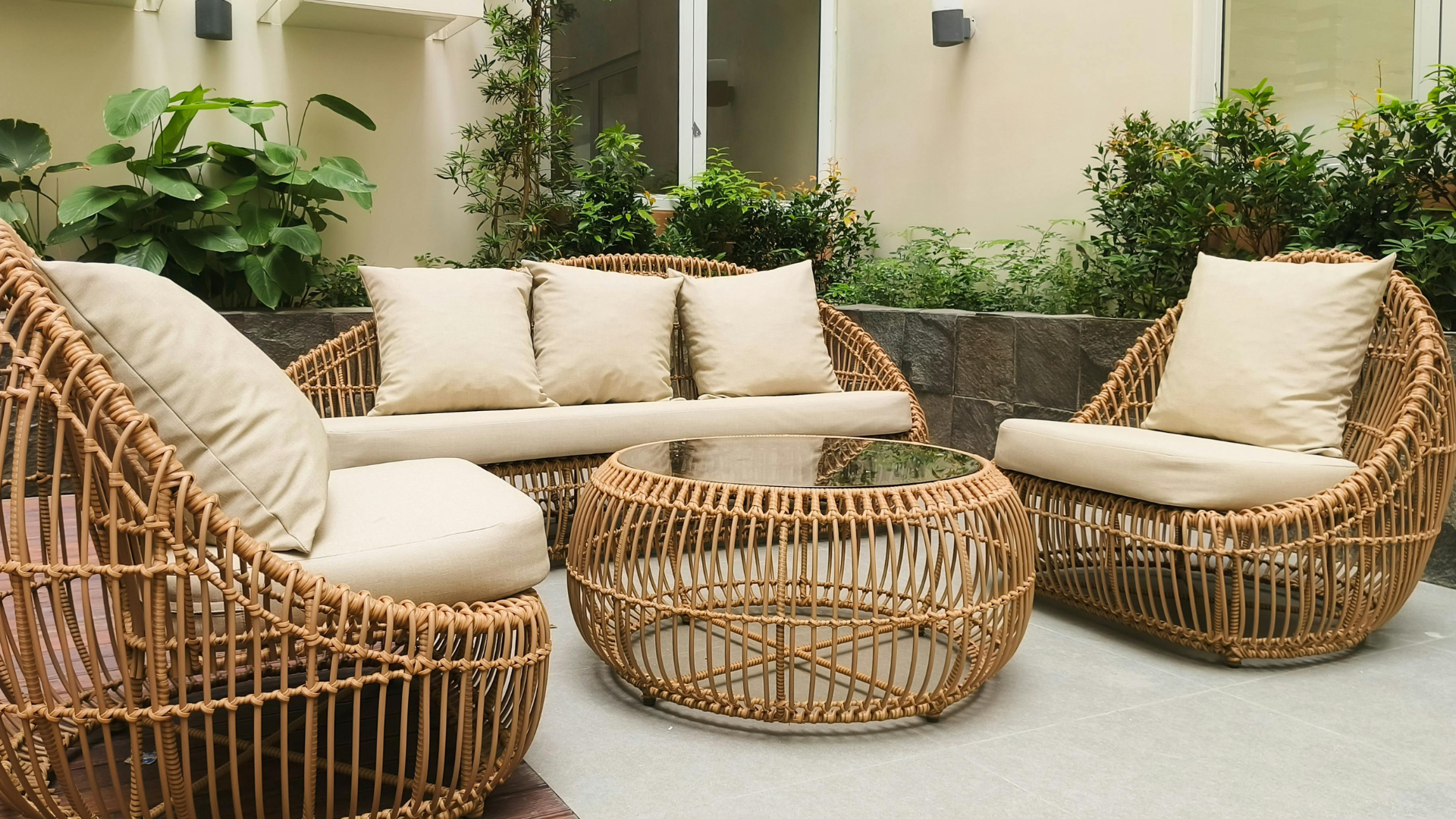
Your outdoor living space is a valuable extension of your home—and just like the interior, it deserves regular upkeep to keep it looking its best. Pavers are a popular choice for patios, walkways, and driveways because of their durability and visual appeal. However, exposure to the elements, foot traffic, and general wear and tear can dull their appearance over time. The good news? With a little care and routine maintenance, your pavers can remain beautiful and structurally sound for years to come. At Big Becks Pools and Pavers, we’re here to share expert tips on cleaning, sealing, and repairing your pavers to help you protect your investment and preserve your curb appeal.
Routine Cleaning: The First Line of Defense
Keeping your pavers clean is one of the simplest and most effective ways to maintain their appearance. Regular sweeping prevents dirt, leaves, and debris from settling into the joints and staining the surface. For a deeper clean, a gentle rinse with a garden hose is usually sufficient. However, if your pavers have built-up grime, mildew, or stains from oil and food, consider using a paver-safe cleaner and a stiff-bristle brush to scrub the surface.
Pressure washing can also be effective, but it should be done carefully. Excessive pressure or using the wrong nozzle can erode joint sand or damage the surface of the paver. It’s best to test a small area first and keep the spray at a 45-degree angle, at least 12 inches from the surface. If you’re unsure about using a pressure washer, the team at Big Becks offers professional paver cleaning services tailored to your specific surface and material type.
Sealing for Protection and Longevity
Sealing your pavers is one of the best ways to protect them from moisture, stains, UV fading, and weed growth. Sealants act as a barrier, making the surface more resistant to weather and everyday wear. They can also enhance the color and finish of your pavers, giving them a vibrant, refreshed look.
It’s generally recommended to reseal pavers every two to three years, though this can vary based on your local climate and how much foot or vehicle traffic the area receives. Before sealing, make sure the pavers are thoroughly cleaned and dry. Choose a high-quality sealer appropriate for your specific paver type—options range from natural matte finishes to high-gloss coatings. At Big Becks, we help our clients choose the right product and apply it with precision to ensure long-lasting results and a professional finish.
Repairing and Replacing Damaged Pavers
Over time, individual pavers may shift, crack, or become loose due to ground movement, freeze-thaw cycles, or heavy use. The good news is that one of the major advantages of paver systems is their ease of repair. Unlike poured concrete, which requires cutting and patching, damaged pavers can often be removed and replaced without disrupting the surrounding area.
To fix sunken pavers, remove the affected units, level and compact the base beneath, and reinstall with fresh joint sand. Cracked or chipped pavers can be swapped out for new ones—this is why keeping a few extras from your original installation is a smart move. If weeds or moss are a concern, using polymeric sand in the joints helps deter growth and locks the pavers more securely in place. For extensive damage or uneven surfaces, Big Becks offers full repair and restoration services to bring your space back to like-new condition quickly and efficiently.
Preventative Maintenance Tips
In addition to cleaning and sealing, adopting a few preventative habits can make a big difference. Avoid using harsh chemical cleaners that can strip sealant or damage paver surfaces. Place furniture pads under heavy items like grills or planters to prevent scratches and stains. Trim nearby trees and bushes to reduce organic debris and shade-related mildew.
It’s also a good idea to inspect your pavers seasonally—especially after winter or heavy storms—to catch any minor issues before they become bigger problems. Addressing drainage concerns, shifting edges, or early weed growth helps keep your hardscape looking sharp and lasting longer.
Why Trust Big Becks for Paver Care
At Big Becks Pools and Pavers, we don’t just install high-quality outdoor surfaces—we help you protect and maintain them for years to come. Our team brings industry expertise, the right tools, and a commitment to craftsmanship in every cleaning, sealing, or repair job. Whether your pavers need a refresh or you’re dealing with weather damage, we offer tailored solutions to restore and preserve your space.
We’re proud to partner with homeowners across the region to create and care for patios, pool decks, and driveways that are as functional as they are beautiful. With Big Becks, you get more than maintenance—you get peace of mind and a space you’ll love year after year.
Why Trust Big Becks for Paver Care
At Big Becks Pools and Pavers, we don’t just install high-quality outdoor surfaces; we help you protect them for decades. Based in Massapequa, our team understands the specific wear and tear that New York weather puts on masonry. Whether you need a professional power wash and reseal or a complete structural restoration, we bring the industry expertise and professional-grade tools to do the job right.
CLICK HERE to explore our paver services and see how we can restore the beauty of your outdoor living space.
Frequently Asked Questions: Expert Paver Care
How do New York’s freeze-thaw cycles specifically affect my pavers?
In our local climate, moisture can seep into the pores of pavers and the joints between them. When this water freezes, it expands, causing the stones to shift, heave, or even crack in a process known as spalling. In 2026, the industry standard for preventing this is the use of breathable, silane-siloxane penetrating sealers. These create a hydrophobic barrier that keeps liquid water out while allowing internal water vapor to escape, effectively winter-proofing your patio against the extreme temperature swings common on Long Island.
What is the best way to handle snow and ice removal without damaging the surface?
To keep your warranty intact and your pavers pristine, you should always use a plastic or rubber-edged shovel because metal blades can scratch the surface and chip the edges of the stone. When it comes to melting ice, you must avoid traditional rock salt, which is highly corrosive to masonry. In 2026, we recommend using Calcium Magnesium Acetate because it is effective down to -20°F, safer for your pets’ paws, and won’t cause the pitting or white efflorescence stains associated with standard sodium chloride.
How can I tell if my pavers need to be resealed this year?
The simplest way to check is the Water Bead Test. You can pour a glass of water onto a clean, dry section of your patio to observe the reaction. If the water beads up like a freshly waxed car, your sealer is still active and providing protection. However, if the water soaks into the stone and turns it dark, the protective barrier has worn away and needs to be replaced. For the New York area, we typically see sealants last between two and five years depending on the type of product used.
Is pressure washing something I can do myself or should I call a pro?
While DIY pressure washing is possible, it is very easy to accidentally damage the stone surface or blast out too much joint sand if you use the wrong settings. If you choose to do it yourself, you must keep the pressure between 1,500 and 2,000 PSI and use a wide 40-degree fan tip while avoiding pointing the nozzle directly at the joints. In 2026, professional services are often preferred for older patios because they include mechanical deep-cleaning and the precise re-application of high-performance polymeric sand.
What should I do if my pavers have started to sink or become uneven?
Sunken pavers are usually a sign of a base failure often caused by poor drainage or the erosion of the bedding sand beneath. To fix this, you must lift the affected stones, add fresh crushed aggregate or coarse bedding sand, and compact the base before relaying the pavers. In 2026, we emphasize that simply adding more sand on top won’t work because you must rebuild the foundation itself. For any area that has settled significantly, we recommend a professional inspection to ensure a leaking pipe isn’t the underlying cause.
How does Polymeric Sand save me money on maintenance over time?
Unlike traditional play sand, polymeric sand contains specialized binders that turn into a firm, flexible glue when activated by water. This creates a weed-proof and ant-proof barrier that won’t wash away during heavy spring rainstorms or typical cleaning. While the initial cost is higher than standard sand, it prevents the structural shifting that leads to expensive repairs down the road. In 2026, it is considered the gold standard for keeping joints secure and your patio looking just installed for years longer.

The Smart Pool Revolution: High-Tech Upgrades for Effortless Backyard Luxury
Stop working for your pool and let your pool work for you. Explore the cutting-edge world of smart pool automation,…
Adrian Lasala
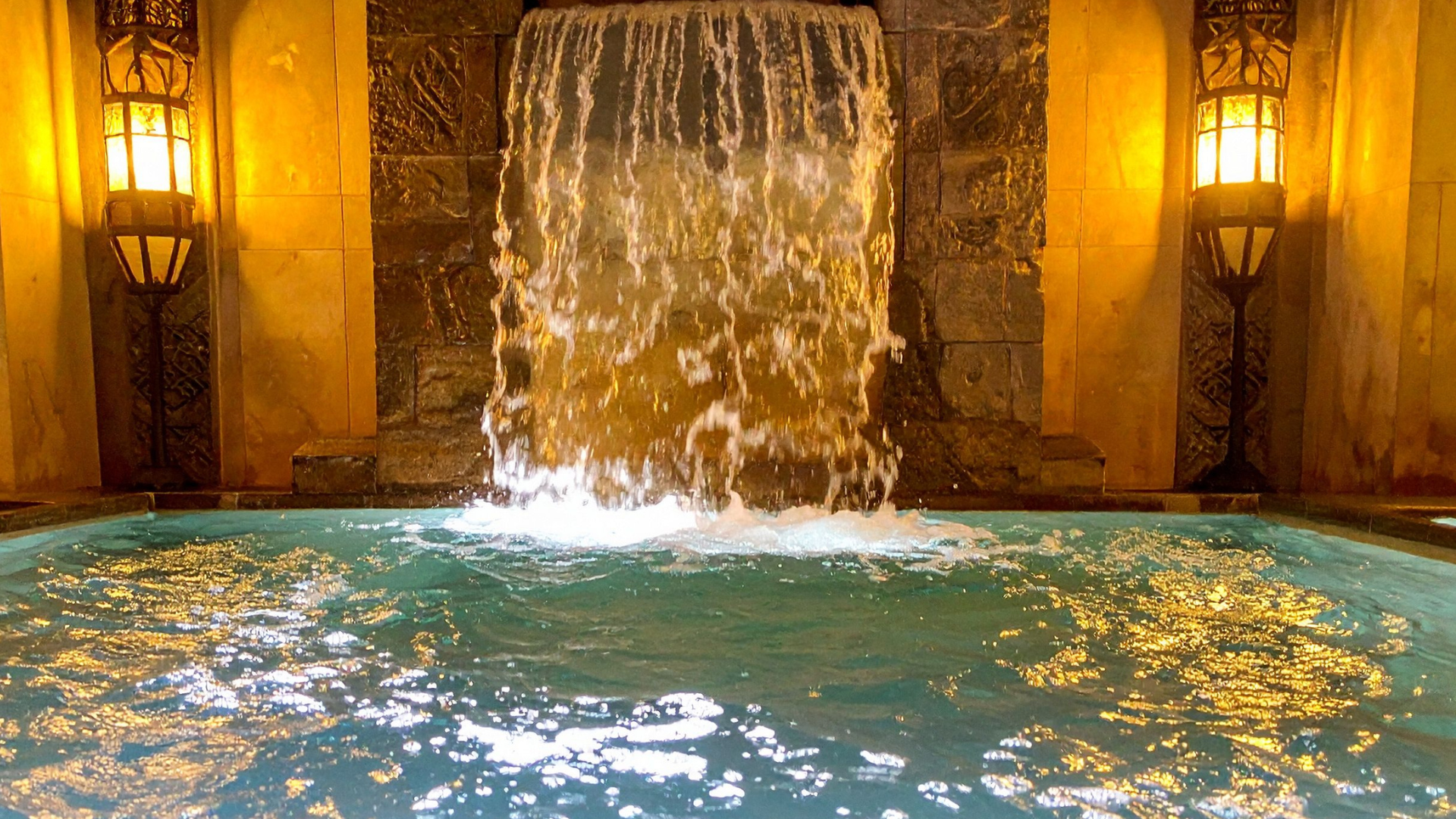
Resort-Style Features: Upgrading Your Pool with Waterfalls, Sun Shelves, and Lighting
Why travel when you can step outside into paradise? Explore the most popular resort-style pool upgrades—including waterfalls, Baja ledges, and…
Adrian Lasala

The Art of the Seamless Edge: Choosing the Right Coping for Your Custom Pool
The secret to a truly luxury custom pool is all in the framing. Explore our comprehensive guide to pool coping…
Adrian Lasala

Small Yard, Big Dreams: Creative Design Ideas for Compact In-Ground Pools
Think your yard is too small for an in-ground pool? Think again. Explore the innovative world of plunge pools, cocktail…
Adrian Lasala
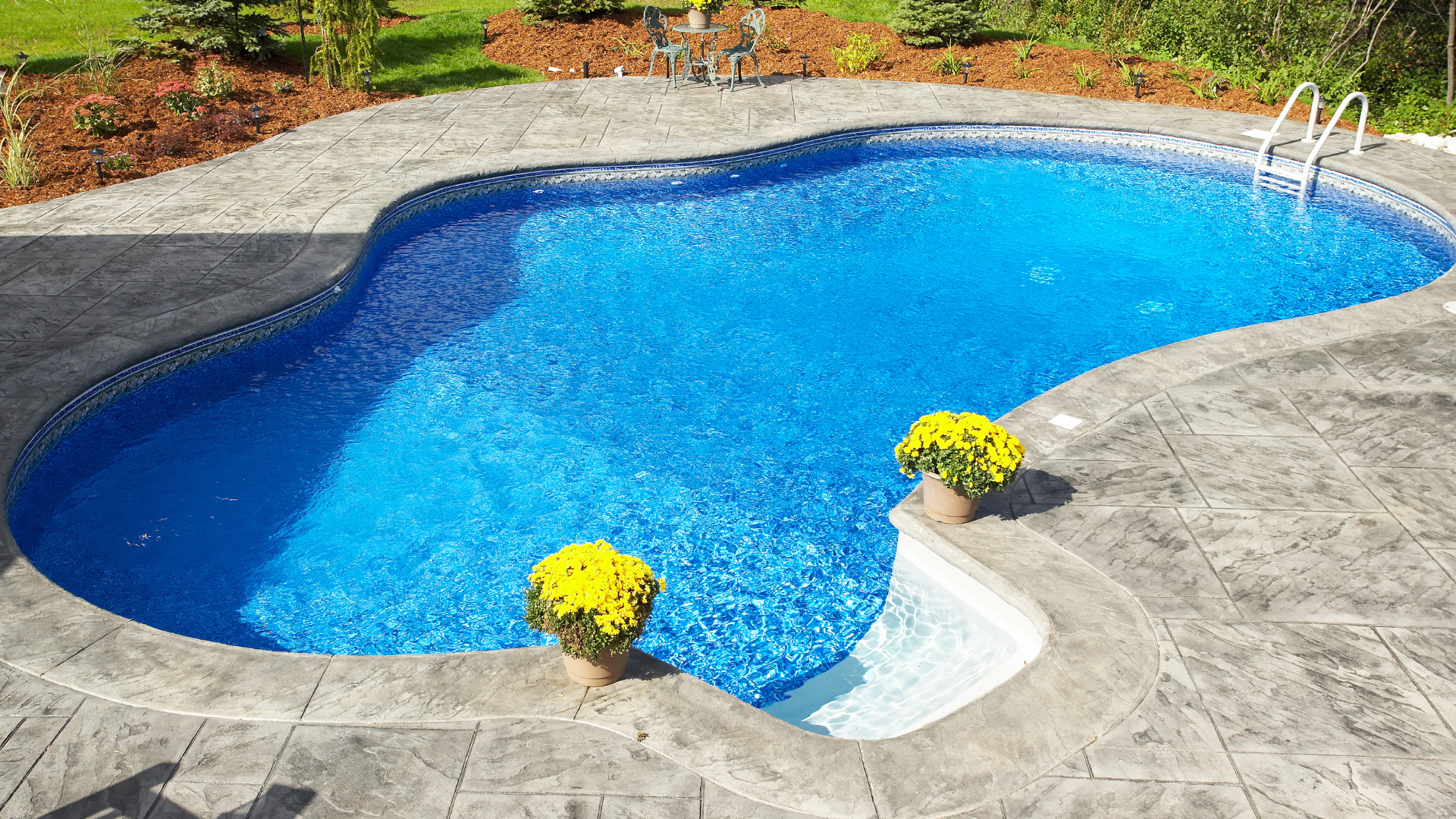
Modern In-Ground Pool Trends Shaping Long Island Backyards This Year
Long Island backyards are going upscale. Discover the top modern in-ground pool design trends dominating Nassau and Suffolk counties—including geometric…
Adrian Lasala
Custom Pool Waterfalls: Design Ideas That Increase Backyard Value
A swimming pool is often the centerpiece of an outdoor living space, but adding a custom waterfall can transform it…
AMG SEO
Pool Financing Solutions
We have partnered with Lyon Financial to provide flexible financing options.