New Pool Construction
Building beautiful, lasting pools designed for how you live.
Big Becks' Blog
The Longevity Factor: How Professional Paver Installation Prevents Shifting and Weeds

Intro
When viewing a freshly completed stone paver patio or pool deck, it is easy to assume that the beauty of the project lies entirely in the quality of the stones themselves. Homeowners invest hours selecting the perfect colors, textures, and geometric layouts, believing that premium materials are the ultimate guarantee of a lifetime of luxury. However, hardscaping experts know a fundamental truth: a paver system is only as good as what lies completely hidden beneath it.
The true test of a paver installation doesn’t happen on day one; it happens three to five years later, after the surface has weathered torrential rainstorms, shifting ground water, and freezing winter frost cycles. Without proper architectural preparation, even the most expensive natural stones will inevitably shift, sag, buckle, and become overrun with unsightly weeds. Understanding the invisible engineering of a professional installation reveals why cutting corners on craftsmanship is a recipe for long-term property failure, and why expert execution is the ultimate key to structural longevity.
The Hidden Foundation: Excavation, Compaction, and the Aggregate Base
The primary secret to a permanent, unyielding paver surface lies entirely in the deep excavation and layer-by-layer compaction of the soil base. A professional team begins by digging deep down into the native subgrade soil, thoroughly removing all organic matter like roots and grass which will rot over time and cause the ground above to cave in. Once cleared, a heavy commercial vibratory plate compactor is run over the raw earth to compress any loose pockets of dirt. Upon this stabilized floor, installers lay a precise multi-inch base of dense-graded, crushed aggregate stone. This aggregate layer serves a dual purpose: it acts as an immovable structural foundation that distributes weight evenly across the patio, while providing a highly porous drainage channel that lets heavy rainwater pass through harmlessly instead of pooling underground and washing away the structural subgrade. Professionals compact this stone base in thin, incremental layers, introducing water to achieve maximum density and ensure the patio will never sag or warp under heavy footwear or patio furniture.
Edge Restraints and the Art of Structural Lateral Containment
One of the most common failures seen in amateur hardscaping projects is “creep,” a destructive process where the outermost pavers slowly separate, tilt, and slide outward into the surrounding grass over time. This frustrating problem is caused by a complete lack of lateral containment. When a person steps on a paver or a heavy patio table presses down, that downward force is naturally pushed outward horizontally through the interlocking stones. Professional hardscapers neutralize this lateral pressure by installing heavy-duty commercial edge restraints around the entire perimeter of the installation. Whether utilizing rigid industrial PVC spikes or a deep, reinforced concrete troweled toe hidden entirely beneath the grass line, these restraints act as an unyielding structural corset. By locking the outer perimeter permanently in place, the edge restraints force the internal pavers to wedge tighter together under pressure, maintaining your crisp, laser-straight lines for decades.
Polymeric Sand: The Biological and Structural Shield Against Weeds
The classic visual nightmare of an aging patio is a web of bright green weeds, moss, and grass sprouting violently out of the narrow joints between each stone, forcing the homeowner into an endless cycle of pulling weeds and spraying harsh chemicals. A widespread myth assumes that these weeds are burrowing upwards from deep down beneath the pavers; in reality, windblown weed seeds float through the air and land directly in the open cracks from above, taking root in the dirt and debris that naturally accumulates over time. Professionals completely eliminate this vulnerability by utilizing premium polymeric sand to seal the joints. Unlike standard playground sand, polymeric sand is infused with specialized dry chemical polymers. Once swept into the joints and misted with water, the sand undergoes a chemical reaction and hardens into a dense, rubbery, flexible barrier. This hard seal completely blocks weed seeds from taking root and prevents burrowing ants from tunneling up, while actively locking the pavers together to maximize the interlocking strength of the entire patio system.
Conclusion
The longevity factor of a premium hardscape layout is never an accident—it is the direct mathematical result of precise engineering, deep ground preparation, and high-quality materials. While skipping the deep excavation, omitting edge restraints, or using cheap joint sand can save a contractor time and reduce a quote upfront, it guarantees a failing patio that will require a total tear-out and reconstruction within a few short years. By investing in professional, certified hardscape technicians who respect the science beneath the surface, you guarantee that your pool deck, patio, or walkway remains a flawless, level, and weed-free masterpiece of luxury living that beautifully stands the test of time.
FAQ
Why did my pavers start sinking in certain spots just a year after installation?
Sinking or sagging spots, known as low points, are a direct symptom of poor base compaction or inadequate drainage preparation. If the subgrade soil isn’t compacted with commercial machinery, or if the crushed stone aggregate base layer is too thin, heavy rainwater will cause the loose soil beneath to settle and shift downwards under the weight of the pavers, resulting in dangerous tripping hazards and pooling water on the surface.
Can weeds still manage to grow if I use premium polymeric sand?
Polymeric sand is exceptionally effective at preventing weed growth, but it is not completely bulletproof if the patio is neglected over many years. If a thick layer of dirt, organic leaves, or pollen is allowed to sit on top of the patio and decay inside low joints, blowing weed seeds can technically sprout within that thin surface layer of organic debris. Sweeping your patio regularly and performing a light rinse ensures the polymeric sand stays clean and completely weed-free.
How long does a professional interlocking paver patio typically last?
When engineered and installed by a certified professional utilizing a properly compacted stone base, edge restraints, and premium polymeric sand, an interlocking paver patio can easily last between 30 and 50 years. Because the individual stones are incredibly dense and completely flexible as a unified system, they will easily outlast standard poured concrete slabs by decades without ever cracking or requiring total replacement.
The Longevity Factor: How Professional Paver Installation Prevents Shifting and Weeds
A beautiful patio is nothing without a strong foundation. Explore the invisible engineering steps hardscaping professionals use beneath the surface—from…
Adrian Lasala

Custom Stonework: Elevating Your Pool Area with Outdoor Kitchens and Fire Pits
Take your pool deck to the next level. Explore the design benefits of custom masonry, and see how adding a…
Adrian Lasala

Designing the Perfect Pool Deck: Balancing Safety, Texture, and Style
Designing a beautiful pool deck is more than just picking a color. Discover the critical relationship between wet-surface safety, comfort…
Adrian Lasala
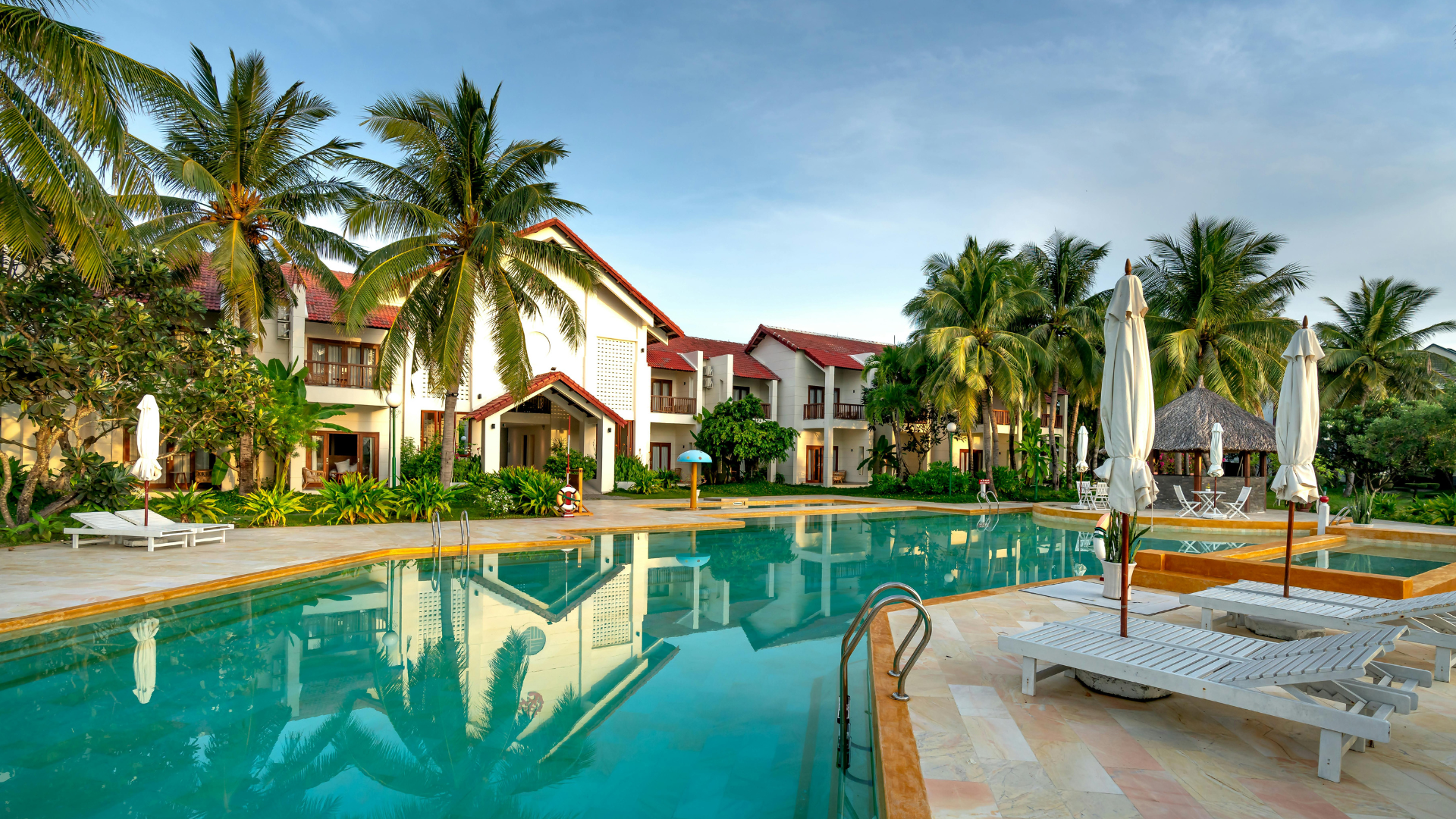
Pavers vs. Concrete: Why Long Island Homeowners Choose Premium Hardscaping
Discover why Long Island homeowners choose premium hardscaping over poured concrete for pool decks. Learn about winter durability, heat resistance,…
Adrian Lasala
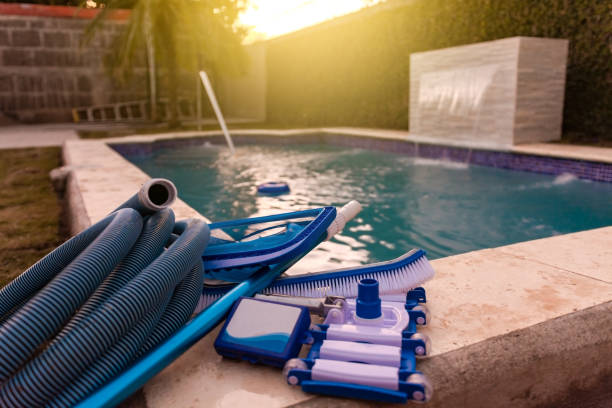
Opening vs Closing Pool Service: What Long Island Homeowners Should Know
Opening and closing a swimming pool are seasonal maintenance services that help prepare the pool for use and protect it…
AMG SEO
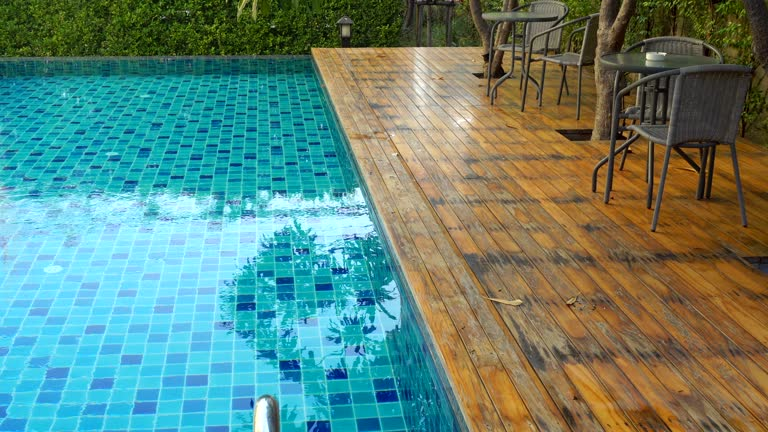
A Guide to Maintaining Clean Pool Decks and Surrounding Areas
Regular outdoor cleaning helps keep poolside surfaces, patios, and entertaining areas looking well maintained throughout the swimming season. Why Pool…
AMG SEO
Pool Financing Solutions
We have partnered with Lyon Financial to provide flexible financing options.