New Pool Construction
Building beautiful, lasting pools designed for how you live.
Big Becks' Blog
Pavers vs. Concrete: Why Long Island Homeowners Choose Premium Hardscaping
Intro
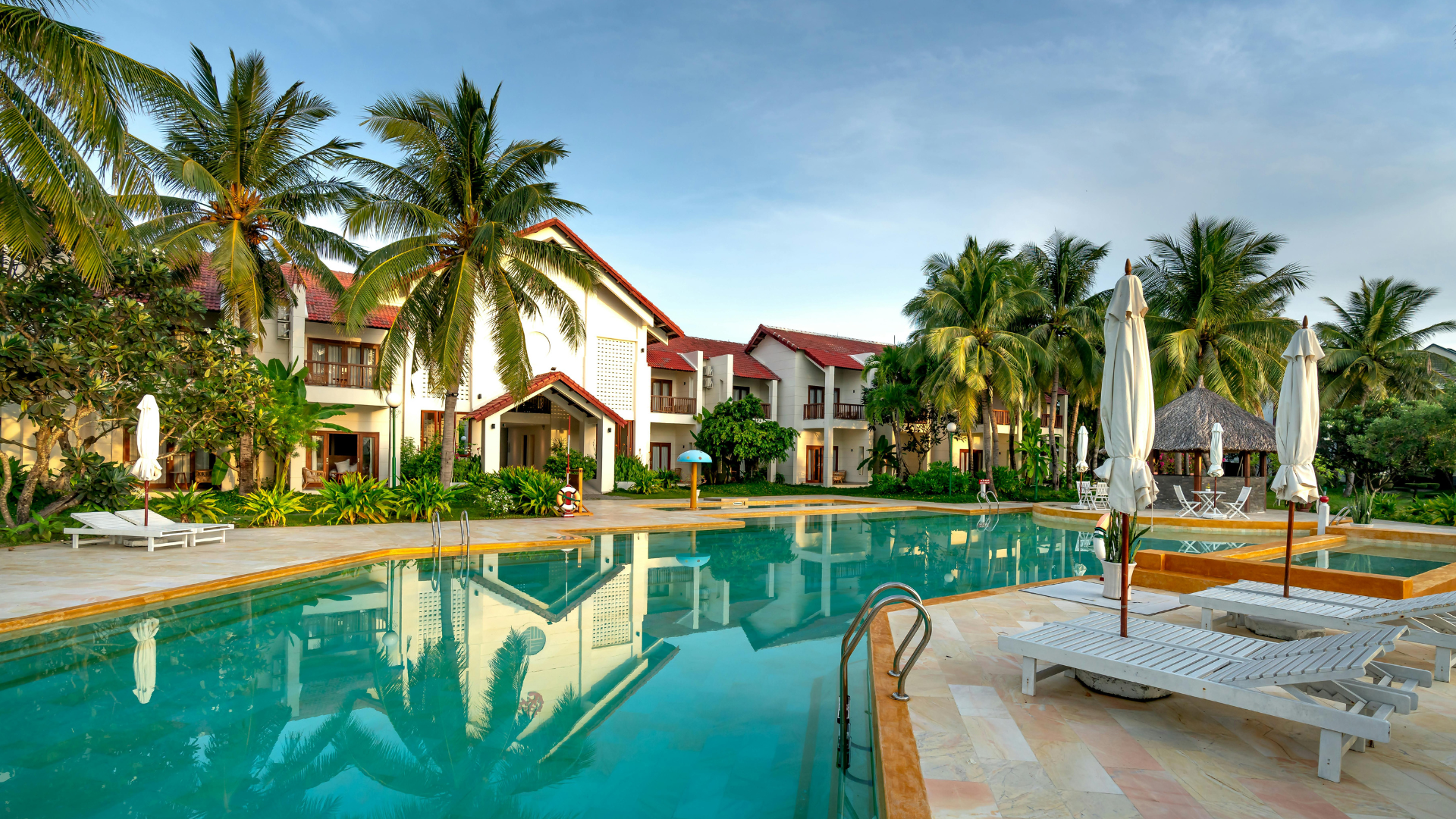
When installing a custom in-ground swimming pool on Long Island, the material you choose for your surrounding pool deck is just as critical as the pool structure itself. The patio deck acts as the literal bridge connecting your water oasis to your home, forming the central stage for summer barbecues, sunbathing, and late-night fireside chats. For decades, standard poured concrete was the default choice for backyard surfaces simply because it was familiar and cheap.
However, homeowners across Nassau and Suffolk counties have heavily shifted toward premium interlocking stone pavers, natural travertine, and large-format porcelain tiles. Our unique local environment—characterized by blistering summer heat waves, heavy seasonal rainstorms, and freezing winter frost cycles—poses strict engineering challenges that standard concrete simply cannot handle. Here is why local homeowners are opting for premium hardscaping to protect and elevate their properties.
Surviving the Frost Heave: Structural Longevity and Flexibility
The single biggest flaw of a solid, poured concrete pool deck is its complete lack of structural flexibility. Long Island winters bring severe ground-freezing cycles, causing the moisture trapped within our sandy and clay-heavy soils to expand and lift upwards. Because a poured concrete patio is one giant, rigid slab, this continuous upward pressure inevitably forces the surface to crack, buckle, and unevenly split over time. Premium hardscaping completely solves this engineering headache by utilizing a flexible interlocking design system. Because paver patios are constructed from individual stones resting on a highly compacted, flexible bed of gravel and specialized sand, the stones can naturally shift, breathe, and adapt individually to underground soil movements without ever cracking or structural failure. If a severe root or soil shift does happen to lift a specific section, repairs are incredibly simple and affordable: a contractor can lift just the affected stones, re-level the base sand underneath, and drop the exact same pavers right back into place without leaving any visible patchwork behind.
Heat Management and Safety: Barefoot Comfort All Summer Long
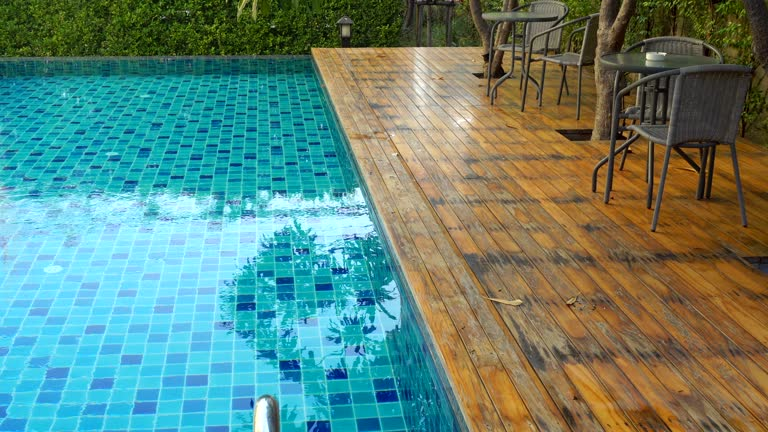
During the peak of a hot July afternoon, the surface temperature of your pool deck heavily dictates how much you will actually enjoy your backyard. Traditional poured concrete, dark stamped concrete, and heavy dark bricks absorb solar radiation rapidly, regularly heating up to blistering temperatures that can easily scorch bare feet and paws. Premium natural stones like travertine are highly prized by luxury pool designers because of their high solar reflectance index and natural porosity. Travertine pavers feature tiny, invisible air pockets throughout their composition that effectively act as insulation, keeping the stones remarkably cool to the touch even in direct, mid-day sunlight. Furthermore, because these premium hardscape materials are naturally textured or lightly tumbled, they provide excellent non-slip traction when wet, preventing dangerous slips and falls around the water edge far better than slick, sealed stamped concrete.
Architectural Harmony and Curb Appeal Valuation
Beyond its structural superiority and underfoot comfort, premium hardscaping provides a level of visual sophistication that standard concrete simply cannot replicate. High-end pavers are available in a massive array of textures, earthy color palettes, and large-format geometric patterns that allow you to match the precise architectural style of your home, whether you own a modern minimalist estate on the North Shore or a rustic beach house in the Hamptons. Poured concrete often looks institutional, stark, and ages poorly, gathering dark algae stains and ugly cracks that instantly bring down the visual value of your property. Investing in a premium stone or porcelain paver pool deck turns your yard into a luxury, resort-style extension of your home, drastically increasing your property’s overall curb appeal and delivering a substantially higher return on investment should you ever decide to sell.
Conclusion
While standard poured concrete may offer a cheaper price tag during the initial construction phase, it almost always ends up costing Long Island homeowners more in the long run through endless crack repairs, chemical re-sealings, and eventual total structural replacement. Choosing premium hardscaping materials like natural travertine, limestone, or modern interlocking pavers is an investment in permanence, safety, and timeless luxury. By installing a pool deck that can effortlessly tolerate our harsh winter freeze-and-thaw cycles while staying beautifully cool under the summer sun, you ensure your backyard oasis remains a flawless, stress-free paradise for decades to come.
FAQ
Is it necessary to seal premium stone pavers after they are installed?
Yes, it is highly recommended to seal natural stone pavers every two to three years, especially when they surround a swimming pool. A penetrating, breathable hardscape sealer protects the stones from oil stains, spilled food, and fading caused by harsh UV rays, while safeguarding the pavers from the bleaching effects of chlorine and salt water splash-out.
Can premium pavers be installed directly over an existing concrete pool deck?
In many cases, yes. This popular renovation technique is known as an overlay installation. If your existing concrete pool deck is structurally sound and free of deep, shifting sinkholes, contractors can lay a specialized thin bed of sand or mortar directly on top of the concrete, and install thin pavers or porcelain outdoor tiles over the old surface, instantly transforming your backyard without the massive cost of concrete demolition.
How do premium hardscape pavers prevent weeds from growing in the joints?
Modern hardscaping relies on a specialized material called polymeric sand to fill the narrow joints between each paver. Once swept into the cracks and misted with water, the polymers inside the sand activate and harden into a durable, flexible seal. This rubbery barrier locks the pavers tightly in place and completely blocks windblown weed seeds from taking root, while preventing ants from digging up the underlying base sand.

The Longevity Factor: How Professional Paver Installation Prevents Shifting and Weeds
A beautiful patio is nothing without a strong foundation. Explore the invisible engineering steps hardscaping professionals use beneath the surface—from…
Adrian Lasala

Custom Stonework: Elevating Your Pool Area with Outdoor Kitchens and Fire Pits
Take your pool deck to the next level. Explore the design benefits of custom masonry, and see how adding a…
Adrian Lasala

Designing the Perfect Pool Deck: Balancing Safety, Texture, and Style
Designing a beautiful pool deck is more than just picking a color. Discover the critical relationship between wet-surface safety, comfort…
Adrian Lasala
Pavers vs. Concrete: Why Long Island Homeowners Choose Premium Hardscaping
Discover why Long Island homeowners choose premium hardscaping over poured concrete for pool decks. Learn about winter durability, heat resistance,…
Adrian Lasala
Opening vs Closing Pool Service: What Long Island Homeowners Should Know
Opening and closing a swimming pool are seasonal maintenance services that help prepare the pool for use and protect it…
AMG SEO
A Guide to Maintaining Clean Pool Decks and Surrounding Areas
Regular outdoor cleaning helps keep poolside surfaces, patios, and entertaining areas looking well maintained throughout the swimming season. Why Pool…
AMG SEO
Pool Financing Solutions
We have partnered with Lyon Financial to provide flexible financing options.