New Pool Construction
Building beautiful, lasting pools designed for how you live.
Big Becks' Blog
Combining Pavers with Landscaping for a Cohesive Look
Intro
A beautifully designed outdoor space is all about balance. It’s not just the pavers or the plants—it’s how they work together that creates a truly inviting environment. When hardscaping and landscaping are thoughtfully combined, the result is a backyard that flows seamlessly, looks intentional, and feels like an extension of your home. In this blog, we’ll explore how to harmonize pavers with greenery, mulch, borders, lighting, and other natural elements to create a cohesive, eye-catching design.
Design with Contrast and Complementary Textures
Blending pavers and landscaping starts with the art of contrast. You want enough difference between your materials and plants to create visual interest—without feeling disjointed.
Design Tips:
- Use light-colored pavers with dark mulch or vibrant green plants for contrast
- Pair textured stone pavers with soft, leafy plants or ornamental grasses
- Repeat colors from your plant palette (like deep greens, purples, or tans) in your paver tones or borders
Pro Tip: Stick to a consistent color scheme—three to four main tones—to unify your space without it feeling too busy.
Use Planting Borders to Soften Hardscape Edges
Pavers offer structure and function, but too many hard lines can feel cold. Integrating planting beds or soft borders helps blur the edges and warm up your space.
Ideas to Try:
- Add low-growing plants like lavender, creeping thyme, or mondo grass around patio edges
- Line pathways with flowering borders or low shrubs for a garden-like feel
- Use mulch or decorative stone between pavers and plant beds to keep things tidy while enhancing drainage
Best For:
Transitioning between patio zones and lawns, softening pool decks, or making walkways more inviting.
Incorporate Greenery Between Pavers
Instead of sealing every joint with sand, consider leaving space for groundcover plants to grow between pavers. It’s a simple way to add charm, reduce heat absorption, and create a more organic look.
Top Plant Choices:
- Creeping thyme: Hardy, fragrant, and drought-tolerant
- Irish moss: Dense and lush, perfect for moist areas
- Dwarf mondo grass: Low maintenance and great for shady spaces
Pro Tip: Be sure to choose plants that suit your sun exposure and foot traffic levels—some are purely decorative, while others can handle the occasional step.
Blend Functional Zones with Natural Flow
A cohesive design doesn’t mean everything looks the same—it means every element flows together with purpose. Use pavers to define outdoor “rooms,” while allowing landscaping to connect those areas naturally.
Ideas to Consider:
- Use curved paver paths that wind through gardens to lead guests from one zone to another
- Separate a dining area with pavers and surround it with container plants or flower beds
- Frame fire pits or lounges with raised garden beds or small retaining walls filled with greenery
Best For:
Backyards with multiple zones—such as pools, patios, play areas, or gardens—that need to feel connected.
Add Accents with Landscape Lighting and Natural Features
Lighting and natural accents help tie everything together visually—especially in the evenings. Highlight both your pavers and your plants to maintain the ambiance after dark.
Ideas to Try:
- Install low-voltage lighting along paver paths and within garden beds
- Uplight trees or tall grasses to add drama and depth
- Incorporate natural elements like river rocks, boulders, or water features alongside paver patios
Pro Tip: Match lighting tones (warm white vs. cool) across your yard for a consistent nighttime vibe.
Conclusion
When pavers and landscaping come together, your backyard becomes more than just a series of features—it becomes a cohesive oasis. By thoughtfully combining texture, color, and plant life, you create an environment that is as functional as it is breathtaking. At Big Becks Pools and Pavers, we specialize in designs where every detail works in harmony.
CLICK HERE to read our ultimate guide to paver materials and find the perfect stone to complement your garden.
Frequently Asked Questions: Harmonizing Pavers and Landscaping
How do I prevent my pavers and landscaping from looking disjointed? The secret to a cohesive look is “tonal repetition.” This involves selecting three to four main colors and repeating them across both your hardscape and your plant palette. For example, if you choose a paver with subtle tan undertones, you can complement it by using ornamental grasses or perennials with golden foliage. In 2026, the trend is “Organic Modernism,” which relies on contrasting textures—such as sleek, smooth porcelain pavers paired against the soft, feathery texture of Fountain Grass—to create a look that is intentional, sophisticated, and unified.
What is “Softscaping” and how does it improve a paver patio? Softscaping refers to the living, horticultural elements of your landscape. Incorporating softscaping around a paver patio is essential for “breaking the lines.” Straight paver edges can sometimes feel cold or clinical; by planting low-growing, spilling perennials like Nepeta (Catmint) or Creeping Phlox along the perimeter, you blur the transition between the stone and the lawn. This makes the patio feel like a natural extension of the garden rather than an island of stone dropped into the middle of the yard.
Can I grow plants directly between my pavers? Yes, this is a popular design choice known as “living joints.” Instead of using polymeric sand to seal the gaps, you can fill wider joints with a specialized soil mix and plant “steppable” groundcovers. In the New York climate, Creeping Thyme and Irish Moss are excellent 2026 favorites because they are hardy enough to survive winter and fragrant when walked upon. This technique not only adds a charming, “cottage-core” aesthetic but also helps with drainage and reduces the surface temperature of the patio on hot summer days.
How do I use lighting to connect my pavers and plants at night? Effective nighttime design requires “layered lighting” that illuminates both the hardscape and the softscape. We recommend using in-paver LEDs to define the walking path, while simultaneously using low-voltage spotlights (uplighting) on nearby trees or architectural shrubs. When you light both the ground you walk on and the greenery surrounding it, you create a sense of depth and safety. Matching the color temperature—specifically using warm white (2700K)—across both zones ensures a consistent, high-end resort vibe.
What are the best plants to use near a saltwater or chlorinated pool deck? When landscaping near a pool, you must choose “salt-tolerant” and “splash-hardy” plants. In 2026, many Nassau County homeowners are opting for Hibiscus, Daylilies, and certain varieties of Juniper. These plants can handle the occasional splash of treated pool water without wilting. It is also important to avoid plants with invasive root systems or those that drop excessive debris, such as needles or heavy berries, which can clog your pool filter and stain your light-colored pavers.
Should I use mulch or decorative stone for the borders around my pavers? This choice depends on your maintenance style and drainage needs. Dark hardwood mulch provides a beautiful, rich contrast against light pavers and helps retain moisture for your plants. However, for 2026 high-end designs, many are switching to decorative river rock or Mexican beach pebbles. Stone borders don’t wash away during heavy New York rainstorms, they don’t need to be replaced every year, and they provide a clean, modern transition that helps with drainage by allowing water to seep quickly into the ground.

Before & After: Breathtaking Long Island Backyard Transformations by Big Becks
Turn your outdoor dreams into reality. Witness how professional masonry and innovative landscape engineering turn sloped lawns, tight lots, and…
Adrian Lasala
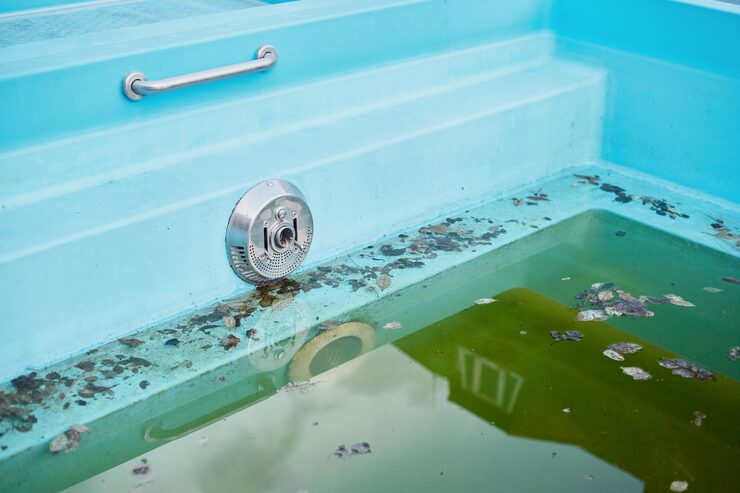
Pool Filter Problems: Common Warning Signs and Solutions
A properly functioning pool filtration system removes dirt, debris, and suspended particles from swimming pool water. Regular filter maintenance helps…
AMG SEO

When Should You Replace Your Swimming Pool Pump?
A swimming pool pump plays a major role in water circulation, filtration, and overall pool cleanliness. Replacing an inefficient or…
AMG SEO

How a Custom Pool Safety Cover Helps Protect Your Backyard
A swimming pool can make a backyard more enjoyable, but owning one also comes with important safety responsibilities. Whether your…
AMG SEO
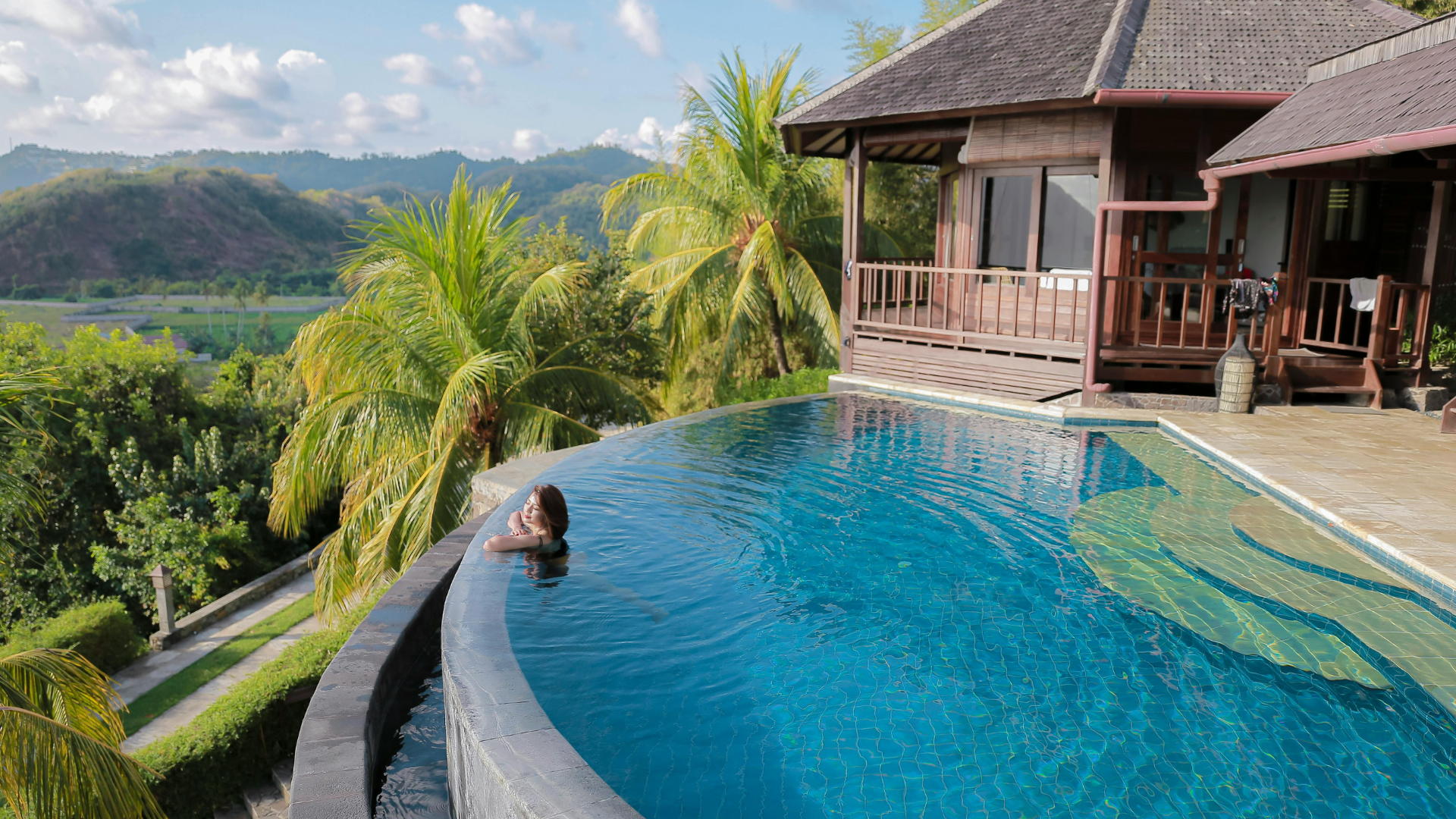
Navigating Long Island Pool Permits: What Homeowners Need to Know Before Digging
Before you dig, you have to have a permit. Explore the essential municipal zoning laws, safety enclosure codes, and engineering…
Adrian Lasala
Nassau County Staycations: Designing a Private Oasis in Massapequa and Beyond
Skip the traffic and create a five-star resort in your own backyard. Explore the essential pool, hardscape, and landscape design…
Adrian Lasala
Pool Financing Solutions
We have partnered with Lyon Financial to provide flexible financing options.