New Pool Construction
Building beautiful, lasting pools designed for how you live.
Big Becks' Blog
When Should You Replace Your Swimming Pool Pump?
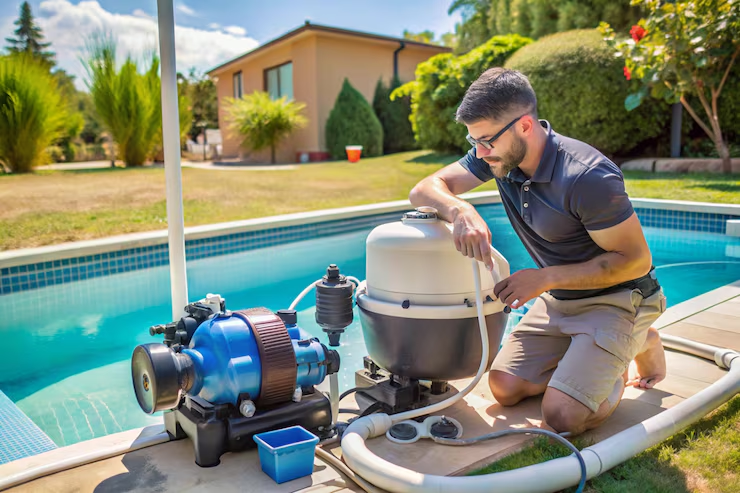
A swimming pool pump plays a major role in water circulation, filtration, and overall pool cleanliness. Replacing an inefficient or frequently malfunctioning pump can improve circulation, reduce energy consumption, and support better pool maintenance.
A swimming pool pump is one of the most important components of any swimming pool system. It keeps water moving through the filtration system, helps distribute pool chemicals, and supports proper water circulation. Without a properly functioning pump, maintaining clean, balanced, and healthy pool water becomes much more difficult.
However, like other mechanical equipment, pool pumps experience wear and tear over time. Reduced water flow, unusual noises, frequent breakdowns, and rising electricity bills can indicate that your existing pump may need professional attention or replacement.
Understanding when to consider swimming pool pump replacement can help homeowners avoid unexpected equipment failures and unnecessary operating expenses.
Whether you need pool pump repair, equipment maintenance, or an entirely new pump, recognizing the warning signs early can make pool ownership easier and more cost-effective.
In this guide, we explain the common signs of pump failure, when repairs make sense, the benefits of energy-efficient pool pumps, and how professional pool equipment services can help maintain your swimming pool.
1. Why Is Your Swimming Pool Pump Important?
A swimming pool pump is responsible for circulating water throughout the pool’s plumbing and filtration system. It draws water from the swimming pool, pushes it through the filter, and returns the filtered water to the pool.
This continuous process helps remove dirt, debris, and other unwanted particles while distributing chemicals throughout the water.
A properly functioning pump supports several important pool operations:
- Water circulation: Keeps pool water moving and reduces stagnant areas.
- Filtration: Moves water through the filtration system to remove contaminants.
- Chemical distribution: Helps distribute sanitizers and other pool chemicals evenly.
- Water clarity: Supports the filtration process that keeps swimming pool water clear.
- Equipment operation: Supplies water flow for compatible pool heaters, cleaners, and water features.
When a pump begins losing efficiency, these functions can become less effective. This may result in cloudy water, poor circulation, increased maintenance requirements, and additional pressure on other pool equipment.
Regular inspection and maintenance help identify problems before they affect the entire swimming pool system.
2. Common Signs That Your Pool Pump Needs Replacement
Knowing the warning signs of a failing pump can help you determine whether professional pool pump repair or replacement is necessary.
Although some problems can be corrected through maintenance, repeated mechanical issues may indicate that the pump is approaching the end of its useful life.
Unusual Noises During Operation
A properly functioning swimming pool pump should operate without excessive grinding, screeching, or rattling noises.
Unusual sounds may indicate worn bearings, damaged internal components, loose fittings, or motor problems.
If the noise continues after basic troubleshooting, arrange a professional inspection to determine whether the pump requires repair or replacement.
Reduced Water Flow
Poor water circulation is another common indication of pump trouble.
If water is returning to the swimming pool more slowly than usual, the pump may be struggling to maintain adequate flow.
Possible causes include:
- Blocked pump baskets.
- Clogged filters.
- Air entering the suction line.
- Damaged impellers.
- Worn pump components.
- Motor performance issues.
A professional technician can identify whether the problem is caused by a blockage, plumbing issue, or failing pump.
Frequent Pump Breakdowns
Occasional maintenance issues do not necessarily mean you need a new pump. However, repeated breakdowns can become expensive and inconvenient.
If your pump frequently stops working, overheats, or requires recurring repairs, replacement may provide a more dependable long-term solution.
Rising Electricity Bills
Older pool pumps may consume more electricity than modern energy-efficient models.
If your energy costs have increased without a clear explanation, an inefficient pump could be contributing to the problem.
Upgrading to an appropriate variable-speed pump may help reduce electricity consumption while maintaining the circulation requirements of your pool.
Water Leaks Around the Pump
Water collecting near the pump housing can indicate damaged seals, loose connections, or worn plumbing components.
Some leaks are repairable, but extensive damage may make replacement a more practical option.
Prompt attention is important because continued leakage can affect nearby equipment and contribute to additional maintenance problems.
3. Pool Pump Repair vs. Replacement: Which Option Is Better?
Not every pump problem requires a complete replacement. In many situations, professional repairs can restore normal operation and extend the equipment’s useful life.
The right decision depends on the pump’s age, condition, repair history, and overall operating efficiency.
When pool pump repair makes sense:
- The problem involves a minor mechanical component.
- The motor is otherwise functioning properly.
- The pump housing remains in good condition.
- Replacement parts are available.
- Repair costs are reasonable compared with replacement.
When replacement may be the better option:
- The motor has experienced major failure.
- The pump requires frequent repairs.
- Replacement components are difficult to find.
- Operating costs remain unusually high.
- The pump no longer meets the pool’s circulation requirements.
- The overall repair cost approaches the price of suitable new equipment.
A professional assessment can help determine the most practical solution.
Homeowners should avoid replacing a pump based only on its age. The equipment’s actual condition and performance are more useful factors when making a replacement decision.
4. Benefits of Upgrading to Energy-Efficient Pool Pumps
Modern pool pumps are designed to improve circulation while using electricity more efficiently. Upgrading older equipment can help homeowners manage operating costs without compromising the pool’s filtration requirements.
One of the most popular upgrades is a variable-speed pool pump.
Lower Energy Consumption
Traditional single-speed pumps generally operate at one fixed speed. This means they use the same operating speed regardless of the pool’s actual circulation requirements.
Variable-speed pumps allow users to adjust motor speeds according to different pool operations. Lower speeds can be suitable for routine filtration, while higher speeds may be needed for certain equipment or cleaning functions.
This flexibility can help reduce unnecessary electricity consumption.
Improved Filtration Performance
Running a pump at an appropriate speed for a longer period can support effective filtration. Water has more time to pass through the filtration system, helping capture suspended particles.
The correct operating schedule depends on pool size, filter capacity, plumbing configuration, and water conditions.
Quieter Operation
Many modern variable-speed pumps operate more quietly at lower speeds than traditional single-speed models.
This can improve the overall backyard environment, particularly when pool equipment is installed near outdoor seating or living spaces.
Flexible Operating Schedules
Programmable settings allow homeowners to schedule different operating speeds throughout the day.
This makes it easier to coordinate filtration with other pool equipment while maintaining consistent water circulation.
Before upgrading, have a professional evaluate your pool’s hydraulic requirements to determine which pump is appropriate.
5. Factors to Consider Before Choosing a Replacement Pool Pump
Selecting a replacement pump involves more than choosing a particular brand or model. The equipment must be compatible with the swimming pool’s existing plumbing, filtration system, and circulation requirements.
Consider the following factors before purchasing new pool equipment.
Pool Size: The volume of water in your swimming pool influences the pump capacity required to maintain suitable circulation.
Flow Rate: The pump should provide an appropriate flow rate without exceeding the limitations of the filtration system or plumbing.
Pump Type: Single-speed, dual-speed, and variable-speed pumps offer different operating characteristics. Compare their efficiency, controls, and maintenance requirements.
Energy Efficiency: Look for equipment designed to reduce unnecessary electricity consumption while meeting your pool’s performance needs.
Filter Compatibility: The replacement pump must work properly with your existing sand, cartridge, or DE filtration system.
Noise Levels: Consider the pump’s operating noise, particularly if the equipment is positioned close to frequently used outdoor areas.
Installation Requirements: Check electrical connections, plumbing dimensions, controls, and available equipment space before selecting a replacement.
A professional pool equipment assessment can help prevent compatibility problems and ensure the new pump operates correctly.
6. How Regular Pool Maintenance Extends Pump Life
Replacing a swimming pool pump is a significant equipment decision. However, regular maintenance can help reduce unnecessary wear and support consistent performance.
A pump works alongside several other components, including filters, skimmers, plumbing lines, and valves. Problems elsewhere in the circulation system can place additional strain on the pump.
Follow these maintenance practices to keep your equipment in good condition:
- Clean pump baskets: Remove leaves and debris regularly to maintain proper water flow.
- Inspect the filter: Clean or backwash the filter according to its type and manufacturer recommendations.
- Monitor water levels: Maintain the recommended water level to help prevent air from entering the pump.
- Check for leaks: Inspect plumbing connections, seals, and the pump housing for moisture.
- Listen for unusual sounds: Investigate grinding, rattling, or excessive vibration promptly.
- Maintain water chemistry: Properly balanced water helps protect pool equipment and surfaces.
- Schedule professional inspections: Periodic equipment checks can identify developing problems before they become serious.
Regular cleaning is also important because debris accumulation can affect circulation and filtration.
For additional maintenance support, explore Big Becks’ weekly pool cleaning services . These services include vacuuming, skimming, basket cleaning, and water chemistry testing.
You can also read the Weekly Pool Cleaning Checklist for Crystal Clear Water for additional pool maintenance guidance.
7. Why Professional Pool Equipment Services Matter
Swimming pool pumps involve electrical connections, moving mechanical components, plumbing, and filtration systems. Diagnosing problems correctly requires an understanding of how these components work together.
Professional pool technicians can inspect the complete circulation system rather than focusing only on the pump motor.
Professional services can help with:
- Pump and motor installation.
- Pool pump troubleshooting and repair.
- Filter inspection and replacement.
- Plumbing and circulation problems.
- Energy-efficient equipment upgrades.
- Preventive equipment maintenance.
- Replacement recommendations based on system requirements.
Big Becks Pools and Pavers provides pool equipment installation, maintenance, and repair services for homeowners across Long Island.
Its service and repair capabilities include pumps, motors, filters, heaters, salt systems, and automated pool equipment.
Whether you are experiencing reduced circulation or considering an upgrade, professional assistance can help identify the appropriate solution.
Learn more about Big Becks Pool Service and Repair to explore available equipment services.
8. Why Choose Big Becks for Pool Equipment Repair and Replacement?
Choosing an experienced pool company is important when maintaining or upgrading essential swimming pool equipment.
Big Becks Pools and Pavers offers professional pool services designed to keep swimming pools functional, clean, and properly maintained.
The company’s service and repair team handles equipment-related concerns, including pump problems, motor issues, filtration difficulties, and other mechanical requirements.
Homeowners can benefit from:
- Professional pool equipment installation and repair.
- Pump and motor troubleshooting.
- Filter and circulation system services.
- Pool maintenance and equipment inspections.
- Assistance with equipment upgrades.
- Service support for different swimming pool types.
Big Becks also works with established pool equipment brands, including Hayward, to support dependable pool system performance.
When your existing pump begins showing signs of deterioration, a professional inspection can help determine whether repair or replacement is the right choice.
Visit Big Becks Pools and Pavers to learn more about its pool services and equipment solutions.
Frequently Asked Questions (FAQs)
1. How Often Should a Swimming Pool Pump Be Replaced?
There is no fixed replacement schedule for every swimming pool pump. Its lifespan depends on usage, maintenance, operating conditions, and equipment quality. Regular inspections can help identify when replacement becomes necessary.
2. What Are the Most Common Signs of a Failing Pool Pump?
Common warning signs include unusual noises, reduced water circulation, overheating, water leaks, frequent shutdowns, and increased electricity consumption. Professional inspection can help identify the underlying problem.
3. Is a Variable-Speed Pool Pump Worth the Investment?
Variable-speed pumps can be a worthwhile upgrade because they allow adjustable operating speeds. This flexibility can reduce electricity consumption, provide quieter operation, and support efficient water circulation when properly configured.
4. Can a Pool Pump Be Repaired Instead of Replaced?
Yes. Many pump problems, including worn seals, damaged baskets, and certain motor issues, may be repairable. However, extensive damage, repeated breakdowns, and poor operating efficiency may make replacement more practical.
5. How Can I Extend the Life of My Swimming Pool Pump?
Clean pump baskets, maintain the filtration system, monitor water levels, inspect plumbing connections, and maintain balanced water chemistry. Scheduling routine professional inspections can also help prevent unnecessary equipment damage.
Conclusion
Your swimming pool pump plays an essential role in maintaining clean water, proper circulation, and efficient filtration. Recognizing early warning signs such as unusual noises, reduced water flow, frequent breakdowns, and rising energy costs can help you determine when professional repair or replacement is necessary.
Upgrading to energy-efficient pool pumps, particularly suitable variable-speed models, can improve operating flexibility and help reduce electricity consumption. However, selecting the correct equipment requires careful consideration of pool size, flow rate, filtration capacity, and plumbing compatibility.
Regular maintenance is equally important for protecting your investment and extending the life of your pool equipment.
Big Becks Pools and Pavers provides professional pool equipment installation, repair, and maintenance services to help homeowners keep their swimming pool systems operating efficiently. Contact Big Becks to discuss your pool pump concerns and find the right equipment solution for your swimming pool.

Before & After: Breathtaking Long Island Backyard Transformations by Big Becks
Turn your outdoor dreams into reality. Witness how professional masonry and innovative landscape engineering turn sloped lawns, tight lots, and…
Adrian Lasala
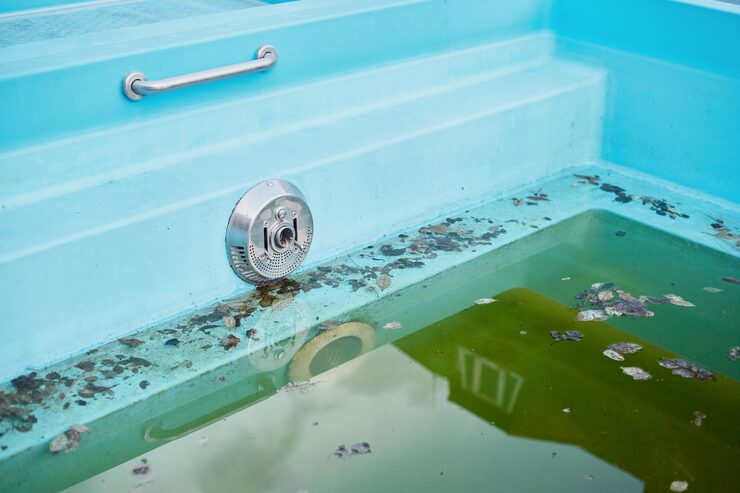
Pool Filter Problems: Common Warning Signs and Solutions
A properly functioning pool filtration system removes dirt, debris, and suspended particles from swimming pool water. Regular filter maintenance helps…
AMG SEO
When Should You Replace Your Swimming Pool Pump?
A swimming pool pump plays a major role in water circulation, filtration, and overall pool cleanliness. Replacing an inefficient or…
AMG SEO

How a Custom Pool Safety Cover Helps Protect Your Backyard
A swimming pool can make a backyard more enjoyable, but owning one also comes with important safety responsibilities. Whether your…
AMG SEO

Navigating Long Island Pool Permits: What Homeowners Need to Know Before Digging
Before you dig, you have to have a permit. Explore the essential municipal zoning laws, safety enclosure codes, and engineering…
Adrian Lasala

Nassau County Staycations: Designing a Private Oasis in Massapequa and Beyond
Skip the traffic and create a five-star resort in your own backyard. Explore the essential pool, hardscape, and landscape design…
Adrian Lasala
Pool Financing Solutions
We have partnered with Lyon Financial to provide flexible financing options.