New Pool Construction
Building beautiful, lasting pools designed for how you live.
Big Becks' Blog
How Often Should You Replace Your Vinyl Pool Liner?
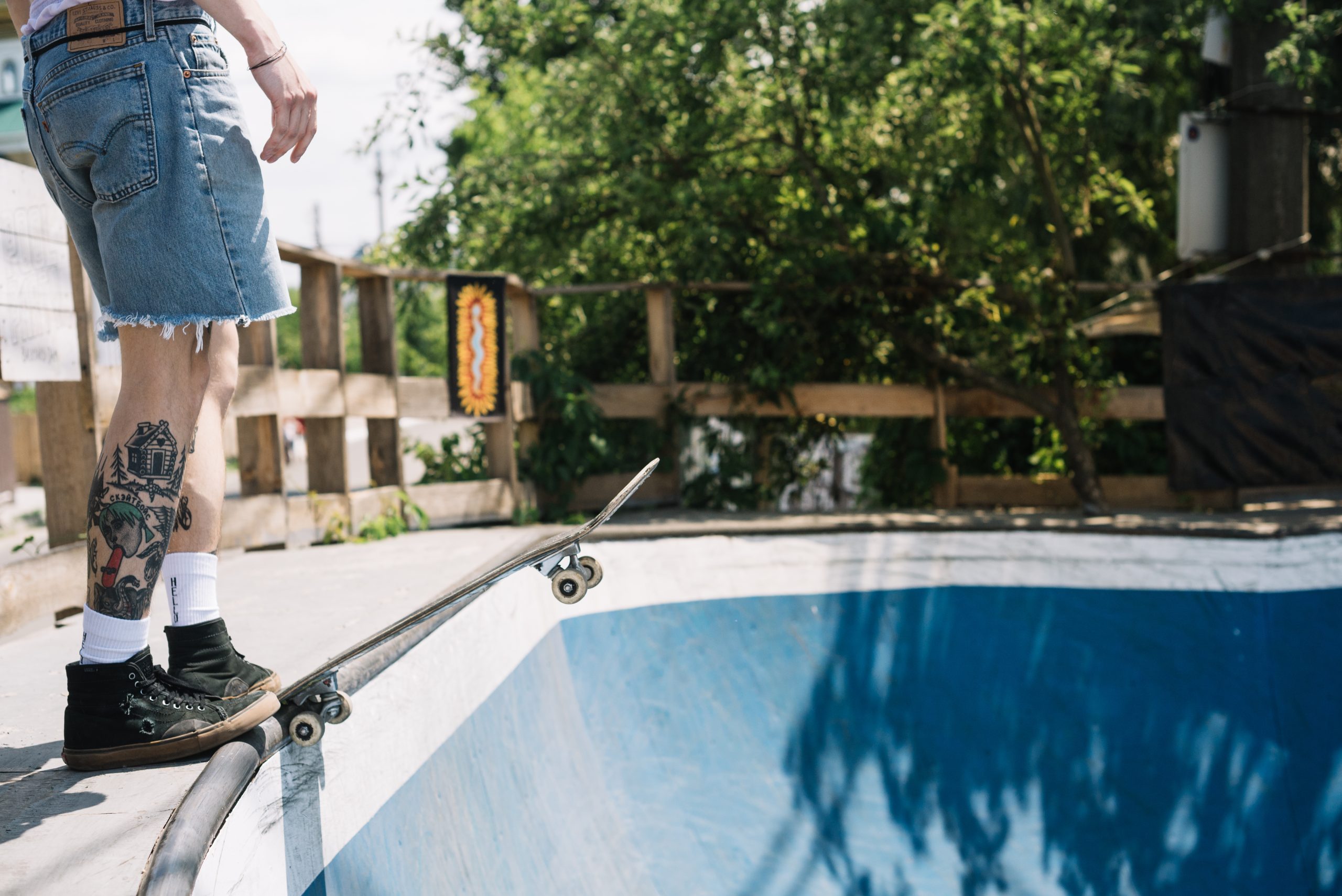
Vinyl pool liner lifespan depends on factors such as material quality, water chemistry, sunlight exposure, pool usage, maintenance, and installation conditions.
A vinyl pool liner plays an important role in protecting the structure of a swimming pool while also providing the finished surface that swimmers see. Because the liner is exposed to water, chemicals, sunlight, temperature changes, and regular pool activity, it can eventually show signs of aging.
Knowing when to replace a vinyl liner can help homeowners address problems before they become more complicated. While there is no universal replacement schedule for every pool, understanding the factors that affect liner lifespan can help homeowners make better maintenance decisions.
For homeowners researching how long vinyl pool liners last, it is useful to look beyond age alone. The condition of the liner, the pool environment, and the quality of maintenance can all influence when replacement becomes necessary.
How Long Do Vinyl Pool Liners Last?
Vinyl pool liners do not have one fixed lifespan that applies to every swimming pool.
Several factors can affect how long a liner remains in suitable condition. These include the quality of the liner material, installation, water chemistry, exposure to sunlight, pool usage, cleaning practices, and general maintenance.
A liner that is properly maintained may remain functional for many years, while a liner exposed to unfavorable conditions may develop problems sooner.
For this reason, homeowners should regularly inspect the liner instead of relying exclusively on a specific replacement date.
Signs That a Vinyl Pool Liner May Need Replacement
Visible changes can indicate that a liner is reaching the end of its useful service life.
Homeowners may notice:
- Fading or discoloration
- Wrinkles
- Cracking
- Brittleness
- Tears
- Leaks
- Separation around fittings
- Areas where the liner has become thin
- Difficulty maintaining normal water levels
Not every visible problem automatically means that complete replacement is required. Some issues may be repairable, depending on their location and severity.
However, multiple signs of deterioration may indicate that replacement should be considered.
Fading and Discoloration
Sunlight and chemical exposure can gradually affect vinyl.
A liner may lose some of its original appearance over time. Fading can occur unevenly depending on how different areas of the pool are exposed to sunlight.
Discoloration can also be associated with water chemistry and other environmental conditions.
Although appearance is an important consideration, fading alone does not necessarily mean that a liner must immediately be replaced.
Homeowners should evaluate fading alongside the liner’s overall physical condition.
Cracking and Brittleness
As vinyl ages, it can become less flexible.
Older material may become more susceptible to cracking, particularly around areas that experience stress or movement.
Cracks can allow water to escape and may become more difficult to manage if they continue to expand.
A professional inspection can help determine whether a damaged section can be repaired or whether the condition of the liner indicates that replacement is more appropriate.
Wrinkles in a Vinyl Liner
Wrinkles can develop for different reasons.
Changes in water conditions, installation issues, movement, or age can contribute to liner wrinkles.
Some wrinkles may be primarily cosmetic, while others can indicate a more significant issue.
Homeowners should avoid attempting to aggressively reposition a liner themselves because improper handling can damage the material.
Professional assessment can help determine the underlying cause.
Pool Water Loss and Possible Liner Leaks
A noticeable change in water level can be a sign of a leak.
Water loss can have several possible causes, so homeowners should not automatically assume that the liner is responsible.
However, tears, punctures, damaged fittings, and deteriorated seams can allow water to escape.
If a liner leak is suspected, homeowners can explore Loop Loc liner repair as part of the process of addressing pool liner-related problems.
The appropriate repair depends on the location and condition of the damaged area.
Water Chemistry and Vinyl Liner Lifespan
Pool water chemistry plays an important role in maintaining a vinyl liner.
Improper chemical balance can place unnecessary stress on pool surfaces and equipment.
Homeowners should follow appropriate pool maintenance practices and monitor water chemistry according to the requirements of their pool system.
Maintaining appropriate water conditions can help protect the liner and other pool components.
Regular pool cleaning weekly can also support overall pool maintenance by helping keep the swimming environment clean and properly maintained.
Sunlight Exposure
Outdoor pools are regularly exposed to sunlight.
Ultraviolet exposure can contribute to gradual changes in vinyl materials over time.
The amount of sunlight a pool receives depends on its location, surrounding landscaping, orientation, and other environmental conditions.
While homeowners cannot completely eliminate sunlight exposure, appropriate pool maintenance can help reduce additional stress on the liner.
Pool Usage and Physical Damage
Regular swimming and pool activity can expose a liner to physical wear.
Sharp objects, inappropriate pool equipment, rough surfaces, and other factors can contribute to punctures or tears.
Homeowners should take care when using pool accessories and should avoid placing objects in the pool that could damage the liner.
Children and swimmers should also follow appropriate pool rules to reduce unnecessary stress on the liner.
Installation Quality Matters
The original installation can influence the long-term performance of a vinyl liner.
Proper measurements, fitting, alignment, and installation procedures are important because an improperly fitted liner may develop wrinkles, stress points, or other problems.
When a liner reaches the end of its service life, professional replacement can provide an opportunity to address installation requirements carefully.
Homeowners considering a new liner can also explore vinyl liner pool installation when evaluating replacement options.
Repair or Replace?
One of the most common questions homeowners have is whether a damaged liner should be repaired or replaced.
A small, localized problem may sometimes be suitable for repair.
For example, a limited puncture or tear may be addressed without replacing the entire liner.
However, extensive fading, widespread deterioration, multiple leaks, cracking, or significant material aging may make replacement a more practical option.
The decision should consider the condition of the entire liner rather than focusing on one isolated problem.
When Replacement Makes Sense
Replacement may be worth considering when the liner has several signs of aging or when repairs are becoming more frequent.
Homeowners should evaluate:
- Overall liner condition
- Number of damaged areas
- Frequency of repairs
- Water loss
- Appearance
- Material flexibility
- Age and maintenance history
A professional assessment can help determine the most appropriate next step.
Choosing a New Vinyl Pool Liner
When replacement is necessary, homeowners have an opportunity to reconsider the appearance and functionality of their pool.
New liner options can differ in:
- Pattern
- Color
- Thickness
- Design
- Material characteristics
Homeowners should choose a liner that fits the pool’s specifications and their maintenance expectations.
Those considering broader changes can also look into vinyl pool renovation in Massapequa when a simple liner replacement is part of a larger pool improvement project.
Pool Maintenance After Liner Replacement
A new liner still requires regular maintenance.
Homeowners should continue monitoring water chemistry, cleaning the pool, checking equipment, and addressing problems promptly.
Regular cleaning can help maintain the appearance of the pool and reduce the buildup of debris.
Professional pools cleaning services can also be considered for homeowners who want consistent maintenance support.
FAQs
1. How long do vinyl pool liners usually last?
There is no single lifespan that applies to every liner. Longevity depends on factors such as material quality, installation, water chemistry, sunlight exposure, usage, and maintenance.
2. How do I know if my vinyl pool liner needs to be replaced?
Common warning signs include significant fading, cracking, brittleness, tears, leaks, wrinkles, and general deterioration. A professional assessment can help determine whether repair or replacement is appropriate.
3. Can a damaged vinyl pool liner be repaired?
Some localized damage may be repairable. Larger or widespread deterioration may make complete replacement a better option.
4. Does pool maintenance affect vinyl liner lifespan?
Yes. Water chemistry, cleaning, physical care, and general pool maintenance can all affect the condition of a vinyl liner.
5. Can I replace my vinyl liner as part of a pool renovation?
Yes. Vinyl liner replacement can be considered as part of a broader pool renovation when other pool components or design elements also need attention.
Conclusion
Understanding how long vinyl pool liners last can help homeowners plan maintenance and avoid unexpected problems.
There is no universal replacement schedule because liner lifespan depends on material quality, installation, water chemistry, sunlight, usage, and maintenance. Regular inspection can help homeowners identify fading, cracking, wrinkles, leaks, and other signs of deterioration.
When damage is limited, repair may be an option. When the liner shows widespread aging or repeated problems, replacement may provide a more practical long-term solution.
Homeowners can explore Loop Loc liner repair for potential repair needs and vinyl pool installation when considering a new liner or broader pool project.
With consistent maintenance and timely attention to damage, homeowners can better protect their pool investment and maintain a clean, functional swimming environment.
Nassau County Staycations: Designing a Private Oasis in Massapequa and Beyond
Skip the traffic and create a five-star resort in your own backyard. Explore the essential pool, hardscape, and landscape design…
Adrian Lasala

From Walkways to Waterlines: Creating a Cohesive Multi-Level Backyard Patio
Don’t let a sloped yard limit your backyard dreams. Discover how luxury landscape engineering utilizes multi-level stone patios, illuminated staircases,…
Adrian Lasala

Top Pool Upgrades That Add Value to Your Long Island Home
Pool upgrades can improve aesthetics, usability, maintenance, and overall outdoor functionality when selected according to the property’s existing pool design…
AMG SEO
Pool Renovation vs. Pool Remodel: Which Is Right for Your Backyard?
Pool renovation and remodeling can involve different combinations of repairs, replacements, design changes, equipment improvements, and aesthetic upgrades. A swimming…
AMG SEO
How Often Should You Replace Your Vinyl Pool Liner?
Vinyl pool liner lifespan depends on factors such as material quality, water chemistry, sunlight exposure, pool usage, maintenance, and installation…
AMG SEO

The Longevity Factor: How Professional Paver Installation Prevents Shifting and Weeds
A beautiful patio is nothing without a strong foundation. Explore the invisible engineering steps hardscaping professionals use beneath the surface—from…
Adrian Lasala
Pool Financing Solutions
We have partnered with Lyon Financial to provide flexible financing options.