New Pool Construction
Building beautiful, lasting pools designed for how you live.
Big Becks' Blog
Seasonal Pool Cover Guide: How to Safeguard Your Pool During Off-Season
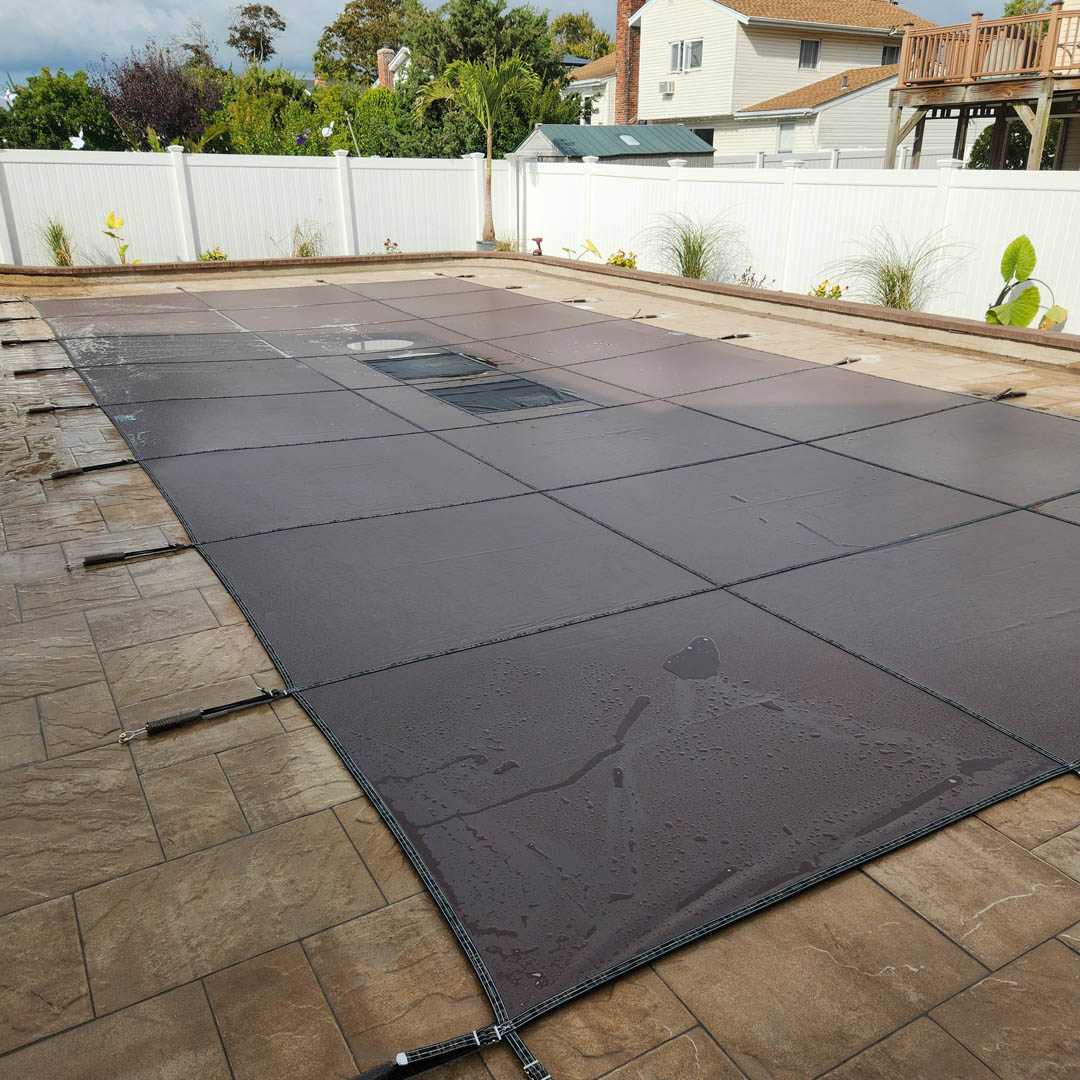
As summer comes to an end, pool owners face the critical task of preparing their pools for the off-season. Properly covering your pool ensures that it stays protected from the elements, debris, and potential damage, helping you maintain its condition and making reopening a breeze when warmer weather returns. In this guide, we’ll explore the best types of seasonal pool covers and tips for safeguarding your pool during the off-season.
Choosing the Right Pool Cover
The first step to protecting your pool is selecting the right cover. There are several types of pool covers available, each with its benefits depending on your specific needs.
Safety Covers (e.g., Loop Loc Covers): Safety covers are a top choice for families with young children or pets, as they provide a secure barrier that can prevent accidents. Loop Loc covers, in particular, are known for their durability and strength, supporting weight while keeping debris out. They are ideal for those seeking both protection and peace of mind.
Mesh Covers: Mesh pool covers allow rainwater and snow to drain through while keeping leaves and larger debris out of the pool. These covers are lightweight and easy to manage, but they require occasional pool cleaning to prevent fine particles from accumulating in the water.
Solid Covers: Solid covers provide the ultimate protection by completely sealing the pool, preventing both water and debris from entering. However, they require more maintenance, such as using a pool pump to remove standing water from the surface.
Automatic Covers: For convenience and ease, automatic covers can be deployed with the touch of a button. These covers offer excellent protection and can be used year-round to safeguard your pool.
Clean and Prep Your Pool Before Covering
Before putting on the cover, it’s essential to clean and prepare your pool properly. This helps ensure that your pool remains in good condition throughout the off-season and is ready for swimming once you open it.
Balance the water chemistry: Test and adjust your pool’s pH, chlorine, and alkalinity levels. This prevents algae growth and staining while the pool is covered.
Shock the pool: Perform a shock treatment to eliminate any lingering bacteria or contaminants before covering the pool.
Clean the pool thoroughly: Skim, vacuum, and brush the pool to remove any debris, dirt, or algae. This will help prevent staining or buildup while the pool is closed.
Lower the water level: If you’re using a solid or mesh cover, lower the water level to just below the skimmer to prevent freeze damage during the winter months.
Install the Cover Securely
Once your pool is clean and prepped, it’s time to install the cover. A properly fitted and secured cover is essential to keeping your pool protected throughout the off-season.
Tighten and secure the cover: Ensure the cover is tightly fitted to prevent debris or animals from getting underneath. Safety covers like Loop-Loc come with secure straps and anchors that hold the cover in place, providing a snug fit.
Use water bags or weights (for solid covers): For solid covers that do not have built-in anchors, use water bags or other weights to secure the edges. This prevents the cover from sagging or blowing away in strong winds.
Regularly check the cover: Even during the off-season, it’s important to check the cover periodically to ensure it remains secure and free of damage. Remove any debris or standing water from the cover as needed.
Protect Your Pool Equipment
In addition to covering the pool, it’s important to safeguard your pool equipment from potential weather damage.
Drain the pump, filter, and heater: If you’re closing your pool for the winter, drain all pool equipment to prevent water from freezing and causing damage. Store the equipment in a dry place if possible.
Winterize the plumbing: Blow out the pool’s plumbing lines to remove any remaining water. This prevents pipes from cracking or bursting due to freezing temperatures.
Store removable accessories: Remove ladders, diving boards, and other pool accessories. Clean and store them in a safe, dry place to avoid damage during the off-season.
Cover Maintenance Throughout the Off-Season
Once your pool is covered, regular maintenance ensures the cover stays intact and continues protecting your pool effectively.
Clear debris regularly: Leaves, branches, and snow can accumulate on top of the pool cover. Clear off any large debris to prevent the cover from sagging or becoming damaged.
Check for wear and tear: Inspect the cover for any signs of wear, rips, or weak spots. Address any issues immediately to prevent further damage and ensure your pool remains protected.
Conclusion
Investing the time to properly cover and winterize your pool is the best way to protect your investment. Whether you need a custom-fitted safety cover or professional winterization services, Big Becks Pools and Pavers is here to ensure your pool survives the winter in perfect condition.
CLICK HERE to learn more about our premium Loop-Loc safety cover installations and off-season protection services.
Frequently Asked Questions: Seasonal Pool Covers & Winterization
What is the difference between a safety cover and a standard winter cover?
A safety cover, such as a Loop-Loc, is anchored into the pool deck and is strong enough to support the weight of a person or a pet, effectively preventing accidental drownings. Standard winter covers are usually held down by water bags; while they keep out sunlight and debris, they are not designed to support weight and can actually become a hazard if a child or animal falls onto them. For families in Nassau County, safety covers are the industry standard for both security and a clean, professional aesthetic during the off-season.
Why should I choose a mesh cover over a solid vinyl cover?
Mesh covers are highly popular because they allow rain and melting snow to drain directly into the pool, which eliminates the need for a submersible pump to clear standing water off the top. This makes them much lower maintenance during a typical New York winter. However, because they allow some fine silt and sunlight to pass through, you may need to perform a slightly more intensive cleaning when you reopen in the spring compared to a solid cover, which keeps the water perfectly sealed and dark.
How does lowering the water level protect my pool from freeze damage?
Lowering the water level to just below the skimmer mouth is a critical step in winterization. It ensures that if the water in the pool expands as it turns to ice, it won’t put pressure on the skimmer housing or the tile line, which can lead to cracks and expensive structural repairs. This also allows you to “blow out” the plumbing lines and plug them effectively, ensuring no water remains in the pipes where it could freeze and burst.
Do I need to add chemicals to my pool even after it is covered?
While you won’t be adding chemicals weekly like you do in the summer, “winterizing” the chemistry is essential. You should balance the pH and alkalinity and add a “winter shock” and algaecide just before the cover goes on. This prevents the water from becoming a breeding ground for algae as the temperatures fluctuate in the fall and spring. A properly chemically-balanced pool stays clear under the cover, making your spring opening significantly faster and cheaper.
How often should I check my pool cover during the winter months?
You should perform a quick visual inspection after any major wind or snowstorm. For safety covers, ensure the brass anchors are still flush and the springs are under proper tension. For solid covers, check that the water bags haven’t leaked and that there isn’t a large accumulation of water in the center, which could pull the cover into the pool. Removing large branches or excessive heavy snow helps prevent the material from stretching or tearing over time.
What happens to my pool heater and pump during the off-season?
Your equipment needs to be completely drained of all water to prevent internal freezing. This involves removing the drain plugs from the pump, filter, and heater. Many homeowners also choose to cover the equipment pad with a waterproof tarp or specialized winter cover to protect the delicate electronic components from the snow and ice. Removing and storing ladders and handrails also prevents the metal from pitting or corroding due to winter salt and moisture.
How to Choose the Best Loop-Loc Vinyl Pool Liner for Your Pool
A swimming pool is one of the most valuable additions to any backyard, and its liner plays an essential role…
AMG SEO

Signs Your Pool Needs a Loop-Loc Liner Repair Instead of Replacement
A vinyl pool liner is one of the most important components of a swimming pool because it protects the pool…
AMG SEO
Why Hire a Vinyl Liner Pool Contractor on Long Island?
Installing a vinyl liner swimming pool is a significant investment that can transform your outdoor living space while adding lasting…
AMG SEO
No More Green Pool: How to Spot and Fix Algae Imbalances Fast
Don’t let a green pool ruin your summer. Discover how to spot the hidden warning signs of a biological imbalance…
Adrian Lasala
Crystal Clear All Summer: The Secret to Perfect Pool Water Chemistry on Long Island
Stop fighting cloudy water and algae. Discover the simple, science-backed approach to mastering your pool’s chemistry on Long Island, ensuring…
Adrian Lasala

Pool Closing Checklist for Long Island Winters (Expert Guide)
Winter weather on Long Island can be challenging for swimming pool owners. Freezing temperatures, snow accumulation, and prolonged periods of…
AMG SEO
Pool Financing Solutions
We have partnered with Lyon Financial to provide flexible financing options.