New Pool Construction
Building beautiful, lasting pools designed for how you live.
Big Becks' Blog
The Benefits of Professional Paver Installation vs. DIY
Intro
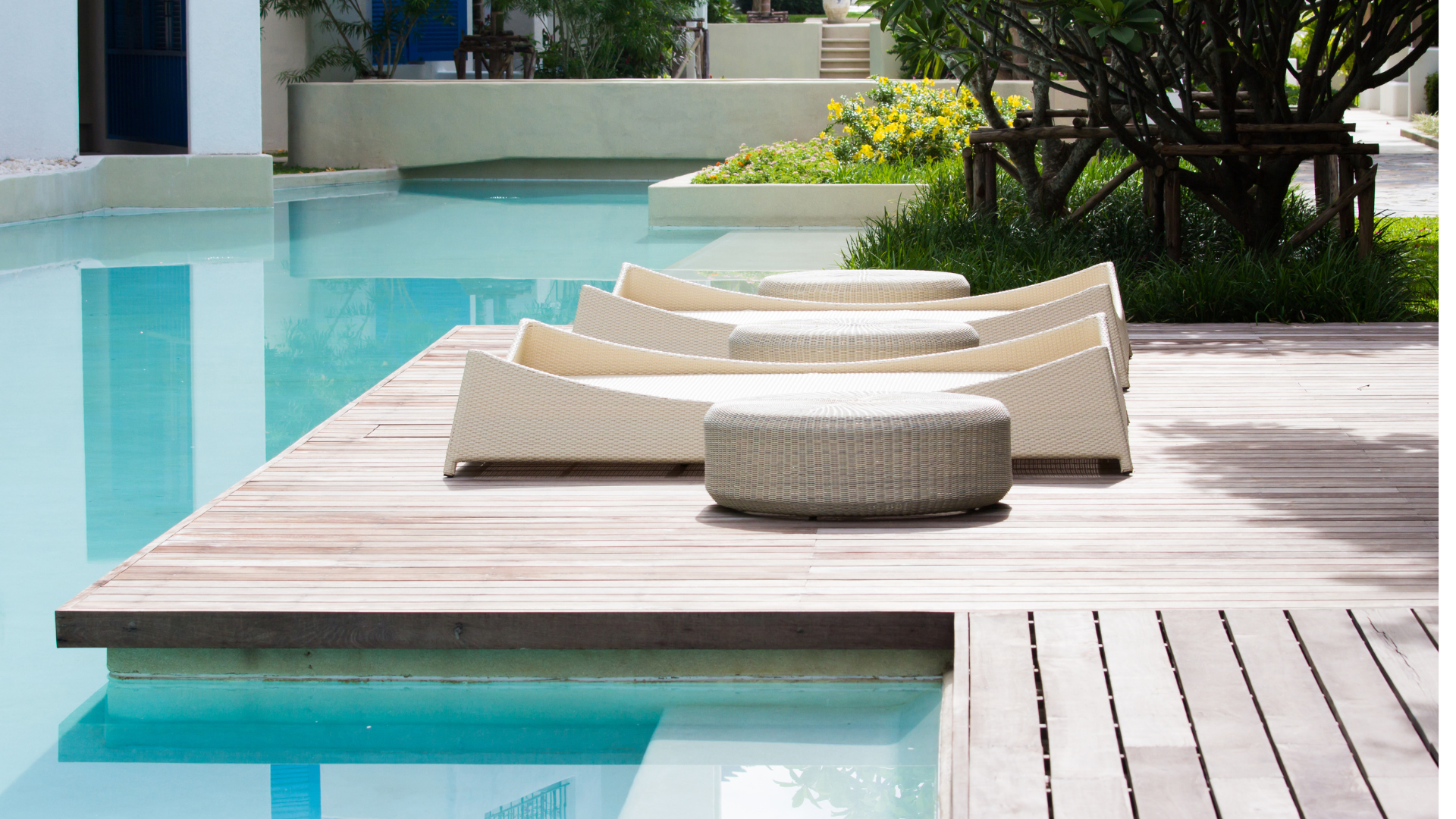
Planning a new patio, walkway, or pool deck and wondering whether to roll up your sleeves or call in the pros? Paver installation can be a rewarding DIY project, but it also comes with challenges that may not be obvious at first glance. From precision leveling to long-term durability, every detail matters. In this blog, we’ll break down the key differences between professional paver installation and do-it-yourself approaches—so you can make the best decision for your time, budget, and backyard vision.
Quality and Longevity
When it comes to hardscaping, a job well done doesn’t just look great—it stands the test of time.
Professional Installation:
Pros bring expertise, tools, and technique to ensure a stable base, proper grading, and tight, even joints. This results in:
- Long-lasting performance
- Reduced risk of sinking or shifting
- Better drainage to prevent water damage
DIY Approach:
DIYers may face challenges with base preparation, leveling, or joint filling. These small mistakes can lead to:
- Uneven surfaces
- Weed and moss growth in joints
- Shorter paver lifespan
Verdict:
If you want your investment to last for years with minimal repairs, professionals provide peace of mind.
Time and Labor Involved
Paver installation may seem straightforward, but it’s physically demanding and time-intensive.
Professional Installation:
A skilled team can complete projects efficiently, often within days, thanks to their experience and equipment. You save time, energy, and a few sore muscles.
DIY Approach:
DIY projects often take significantly longer—especially if it’s your first time. You’ll need to:
- Research techniques
- Rent or buy tools
- Handle excavation, hauling, and compaction on your own
Verdict:
If you’re short on time or unsure of your physical capabilities, hiring professionals is the faster, easier route.
Cost Comparison – Immediate vs. Long-Term
Many homeowners lean toward DIY to save money, but the real math involves more than just material costs.
Professional Installation:
While upfront labor costs are higher, pros get the job done right the first time, avoiding expensive future repairs. They also often have access to trade pricing on materials.
DIY Approach:
You may save on labor, but costs can add up with:
- Tool rentals or purchases
- Material delivery
- Potential rework or professional fixes down the line
Verdict:
DIY can work for very small projects. But for medium to large-scale installations, professional work may be more cost-effective in the long run.
Design and Customization Options
The best outdoor spaces combine beauty and functionality. Professional design can elevate your vision.
Professional Installation:
Contractors often offer:
- Design consultations
- Pattern and layout suggestions
- Custom borders, inlays, and accents
- Integration with lighting, edging, or landscaping
DIY Approach:
Unless you have design experience, you may be limited to basic patterns and straightforward layouts. There’s also less room for creative experimentation.
Verdict:
If you’re aiming for a high-end or unique look, professionals can help you achieve a polished, personalized finish.
Warranty and Peace of Mind
Mistakes can be costly. That’s why many homeowners value the security that comes with professional work.
Professional Installation:
Most reputable companies provide warranties on both labor and materials. If something shifts, sinks, or cracks prematurely, you’re covered.
DIY Approach:
There’s no safety net with a DIY job. If things go wrong, repairs and replacements are on your dime and time.
Verdict:
For risk-averse homeowners, the added protection of a warranty can make professional installation worth every penny.
Conclusion
There’s a time and place for DIY—but when it comes to paver installation, going professional often pays off in quality, speed, and long-term value. While small decorative paths may be manageable on your own, larger undertakings are best left to experts who know the craft. At Big Becks Pools and Pavers, we combine precision installation with creative design to bring your dream outdoor space to life—without the backache.
CLICK HERE to read our ultimate guide to paver materials and find the perfect match for your next project.
Frequently Asked Questions: Professional vs. DIY Paver Installation
Is the cost savings of a DIY installation worth the risk for a large patio?
While DIY installation can save you approximately 50% in upfront labor costs, the real-world math is more complex. For a typical 500-square-foot patio in 2026, a DIYer might spend $15–$20 per square foot on materials and tool rentals, while professional installation in the Northeast ranges from $25–$34 per square foot. However, professional installation includes a multi-layered aggregate base excavated to 8–10 inches—a level of preparation rarely achieved in DIY projects. Without this foundation, DIY patios often shift or sink within 2 to 3 years, leading to “rework” costs that can quickly exceed the original price of a professional job.
What is the Return on Investment (ROI) for professional versus DIY work?
A professionally installed paver patio is a high-value asset that typically delivers an ROI of 70% to 90%, and in some cases, up to 100%. According to 2026 real estate data, homes with professional hardscaping can see a total property value increase of up to 20%. In contrast, DIY projects that show even minor imperfections—such as crooked lines, uneven heights, or poor drainage—can actually be viewed as a liability by home inspectors. This may lead to “repair credits” during a sale, effectively lowering your home’s marketability and overall value.
What are the most common mistakes DIYers make in the Long Island climate?
The most frequent oversight is inadequate base preparation and drainage. In our region, the freeze-thaw cycle will cause pavers to “heave” if the base isn’t compacted correctly or if water isn’t sloped away from the home’s foundation. Another common error is skipping edge restraints; without these, pavers will naturally spread apart over time, causing gaps where weeds and moss will flourish. Professionals use commercial-grade power compactors and laser-leveling tools to ensure a perfectly pitched surface that survives New York winters without shifting.
How much time should I realistically set aside for a DIY paver project?
What a professional crew of three can complete in 2 to 4 days, a solo DIYer often takes 4 to 6 full weekends to finish. The labor involves more than just laying stones; it includes excavating several tons of soil, hauling in and leveling tons of gravel and sand, and making hundreds of precision cuts with a wet masonry saw. If your time is valued at even a modest hourly rate, the “sweat equity” of a DIY project often ends up being more expensive than the labor fee of a professional team.
Do professional installations come with a warranty?
Yes, and this is one of the biggest advantages of hiring a pro. Reputable companies like Big Becks provide a written warranty on both the materials and the structural labor. If a section of your patio sinks or a paver cracks due to installation error within the warranty period, it is repaired at no cost to you. With a DIY project, you are the only one responsible for future repairs, which means any failure results in more out-of-pocket expenses and lost weekends down the road.
Can a professional help me with complex designs that a DIYer can’t do?
Absolutely. Professional installers have the specialized saws and experience required for intricate patterns, such as Herringbone, circular inlays, or custom borders. We also integrate technical elements like “invisible” drainage systems, low-voltage LED lighting, and built-in seating walls that require precise structural engineering. These high-end features are what transform a simple “paved area” into a sophisticated outdoor room that serves as a true extension of your home’s living space.

Pavers vs. Concrete: Why Long Island Homeowners Choose Premium Hardscaping
Discover why Long Island homeowners choose premium hardscaping over poured concrete for pool decks. Learn about winter durability, heat resistance,…
Adrian Lasala

The Smart Pool Revolution: High-Tech Upgrades for Effortless Backyard Luxury
Stop working for your pool and let your pool work for you. Explore the cutting-edge world of smart pool automation,…
Adrian Lasala
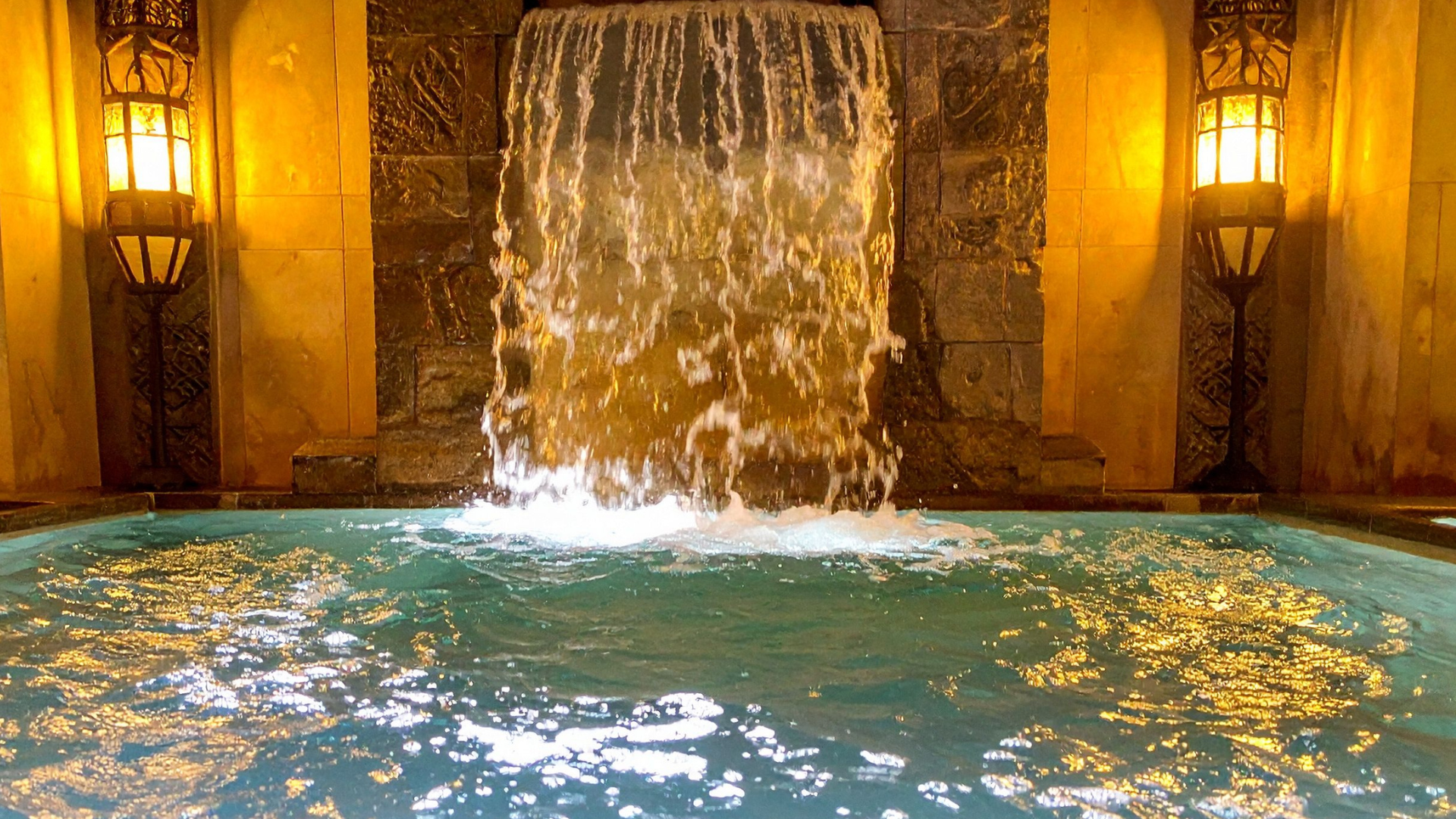
Resort-Style Features: Upgrading Your Pool with Waterfalls, Sun Shelves, and Lighting
Why travel when you can step outside into paradise? Explore the most popular resort-style pool upgrades—including waterfalls, Baja ledges, and…
Adrian Lasala

The Art of the Seamless Edge: Choosing the Right Coping for Your Custom Pool
The secret to a truly luxury custom pool is all in the framing. Explore our comprehensive guide to pool coping…
Adrian Lasala

Small Yard, Big Dreams: Creative Design Ideas for Compact In-Ground Pools
Think your yard is too small for an in-ground pool? Think again. Explore the innovative world of plunge pools, cocktail…
Adrian Lasala
Modern In-Ground Pool Trends Shaping Long Island Backyards This Year
Long Island backyards are going upscale. Discover the top modern in-ground pool design trends dominating Nassau and Suffolk counties—including geometric…
Adrian Lasala
Pool Financing Solutions
We have partnered with Lyon Financial to provide flexible financing options.