New Pool Construction
Building beautiful, lasting pools designed for how you live.
Big Becks' Blog
The Ultimate Long Island Winterization Checklist: Protect Your Pool Investment
Intro
As the crisp autumn air rolls across Long Island and the leaves start turning in Nassau and Suffolk counties, local pool owners face a familiar reality: pool season is officially over. But before you tuck your backyard paradise away for the winter, there is crucial work to be done.
Long Island winters are notorious for unpredictable freeze-and-thaw cycles, heavy snowfall, and biting coastal winds. Neglecting proper pool winterization can lead to catastrophic consequences, including cracked underground PVC pipes, torn vinyl liners, and ruined filtration pumps. Taking the time to close your pool correctly isn’t just about avoiding a green mess in May—it’s about protecting an investment worth tens of thousands of dollars.
Here is your definitive checklist to ensure your inground or above-ground pool survives the harsh New York winter completely unscathed.
Clean and Balance the Water Chemistry
Before you even think about putting on the cover, your pool water needs to be pristine and chemically stable. Closing a dirty or unbalanced pool invites algae blooms, scaling, and deep liner stains that will greet you with an expensive headache next spring. To get started, deep clean everything by skimming the surface, brushing the walls, and vacuuming the floor thoroughly, as any organic debris left behind will decay over the next six months and severely throw off your water chemistry. Next, balance the “Big Three” components by bringing your water to a local Long Island pool store for testing, or use a reliable home kit to bring your pH between 7.2 and 7.6, your total alkalinity between 80 and 120 ppm, and your calcium hardness between 200 and 400 ppm. Finally, add winterizing chemicals by shocking the pool with chlorine or a non-chlorine substitute to kill any lingering bacteria, and follow up with a high-quality, long-lasting winter algaecide and a stain/scale preventer, letting the pump circulate these chemicals for at least 24 hours before moving forward.
Clear, Blow Out, and Plug the Lines
Water expands by roughly 9% when it freezes, meaning that if water gets trapped inside your pool’s plumbing lines during a freezing January cold snap, the pressure will split the heavy-duty PVC pipes wide open, forcing you to pay for incredibly expensive backyard excavation work. You must begin by lowering the water level to protect your tile line and skimmer mouth from ice damage; drop the water 3 to 6 inches below the lowest skimmer if you use a standard tarp cover, or 8 to 12 inches below the skimmer if you use a mesh safety cover. Once lowered, blow out the lines by hooking up a commercial cyclone blower or a heavy-duty shop vac to your skimmer plumbing, forcing air through the lines until you see air bubbles violently erupting from the return jets and the main drain at the bottom of the pool. To finish this step, plug and seal the system while the air is still blowing to keep water out, quickly inserting winter expansion rubber plugs with wing nuts into the return lines, and screwing a specialized threaded seasonal plug, often called a “Gizzmo,” into the skimmer to absorb ice expansion and prevent the housing from cracking.
Drain Equipment and Secure the Winter Cover
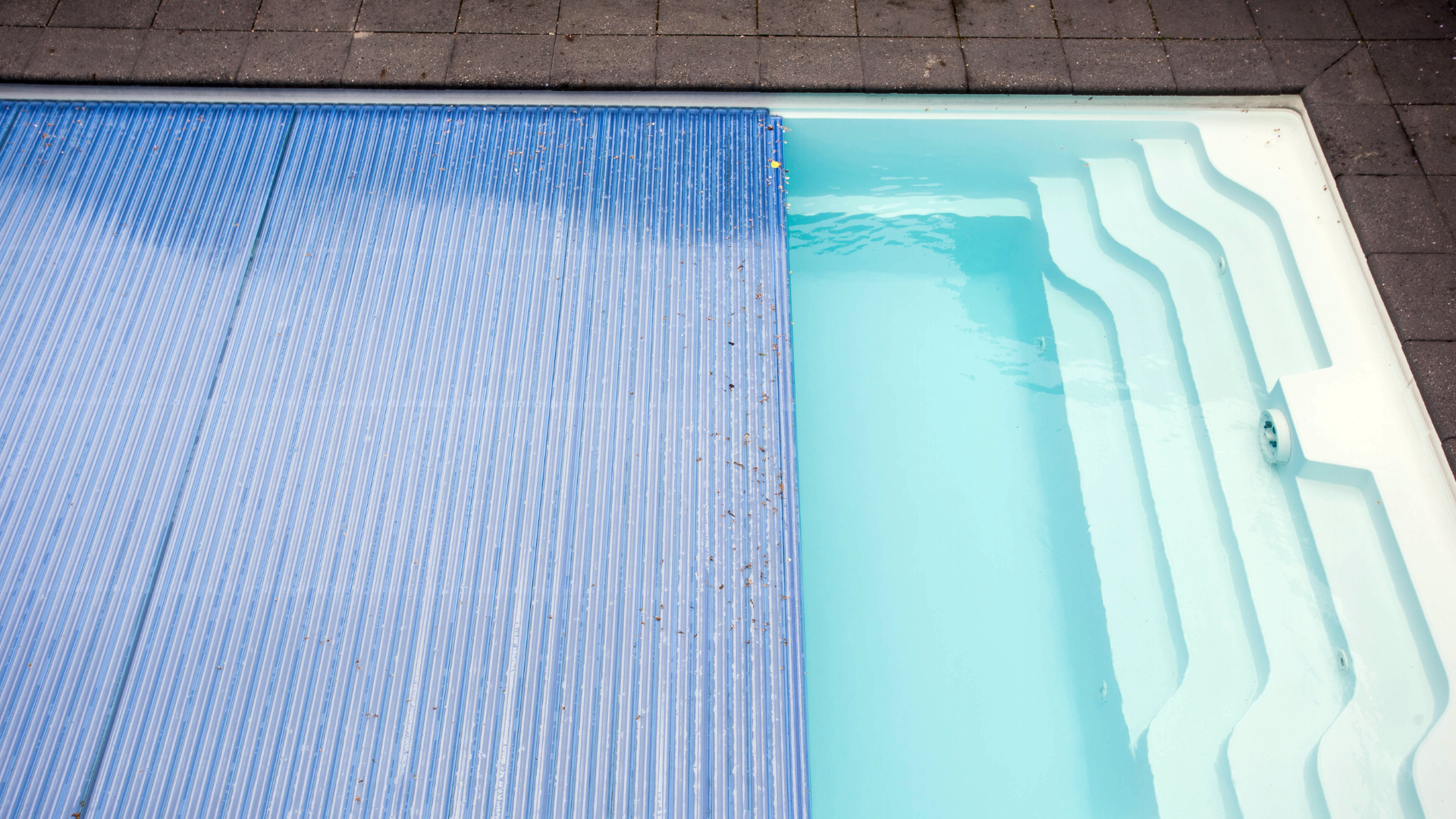
Your expensive mechanical equipment—including the pump, filter, heater, and salt cell—cannot hold water through the winter season. You must meticulously drain all equipment by locating and removing the plastic drain plugs from your pump housing, filter tank, and pool heater, allowing all internal water to empty completely, as any water left inside a pump basket or a heater core will freeze and warp or crack the expensive casings. For added peace of mind, you can pour non-toxic pool antifreeze down your plumbing lines before sealing them up, making sure to safely store your small drain plugs inside the pump basket so they don’t go missing. Finally, install your winter cover by unrolling your safety or winter cover across the pool deck, checking that all brass anchors are clean of dirt and popped up, and tensioning the spring straps evenly around the perimeter; if you are using a standard solid tarp cover instead, secure it tightly with water bags and ensure a pool cover pump is plugged in and placed in the center to automatically drain off heavy rain and melted snow.
Conclusion
Properly winterizing your Long Island pool takes a bit of time and muscle, but it saves you an immense amount of money, stress, and energy when the spring thaw arrives. By meticulously cleaning your water, clearing your underground plumbing lines, and securely protecting your mechanical equipment, you ensure that reopening your pool next May is a smooth, affordable celebration rather than an emergency repair project. If blowing out the lines feels a bit too technical, never hesitate to hire a certified Long Island pool professional to handle the plumbing steps for you.
FAQ
When is the best time to winterize a pool on Long Island?
The sweet spot is usually between late September and late October. You want to close the pool when the consistent daily air temperatures drop below 65°F (18°C). Closing the pool while the weather is still hot will cause your winter algaecide to burn off too quickly, leading to a swampy green pool by spring.
Can I use regular car antifreeze in my pool lines?
Absolutely not. Car antifreeze is highly toxic to humans, pets, and local marine ecosystems. You must exclusively use non-toxic propylene glycol pool antifreeze, which is explicitly formulated to protect swimming pool plumbing and is safe to wash into the pool during spring startup.
Do I really need to blow out the main drain at the bottom of the pool?
Yes. Even though the main drain sits deep below the frost line, air must be blown down the line until it bubbles. Once it bubbles, you quickly close the valve at your equipment pad to create an airtight “air lock.” This trapped column of air prevents freezing surface water from sinking down into the pipe.

Pool Closing Checklist for Long Island Winters (Expert Guide)
Winter weather on Long Island can be challenging for swimming pool owners. Freezing temperatures, snow accumulation, and prolonged periods of…
AMG SEO

How to Design the Perfect Backyard Oasis with Pools & Pavers
Creating a backyard oasis requires thoughtful planning, quality materials, and features that work together to create a functional and visually…
AMG SEO
The Ultimate Long Island Winterization Checklist: Protect Your Pool Investment
Long Island winters don’t mess around, and neither should you when it comes to closing your swimming pool. From balancing…
Adrian Lasala
Create Your Ultimate Outdoor Living Space with Big Becks Pools and Pavers
Ready for a total backyard transformation? Discover how Big Becks Pools and Pavers creates custom outdoor kitchens and luxury living…
Adrian Lasala
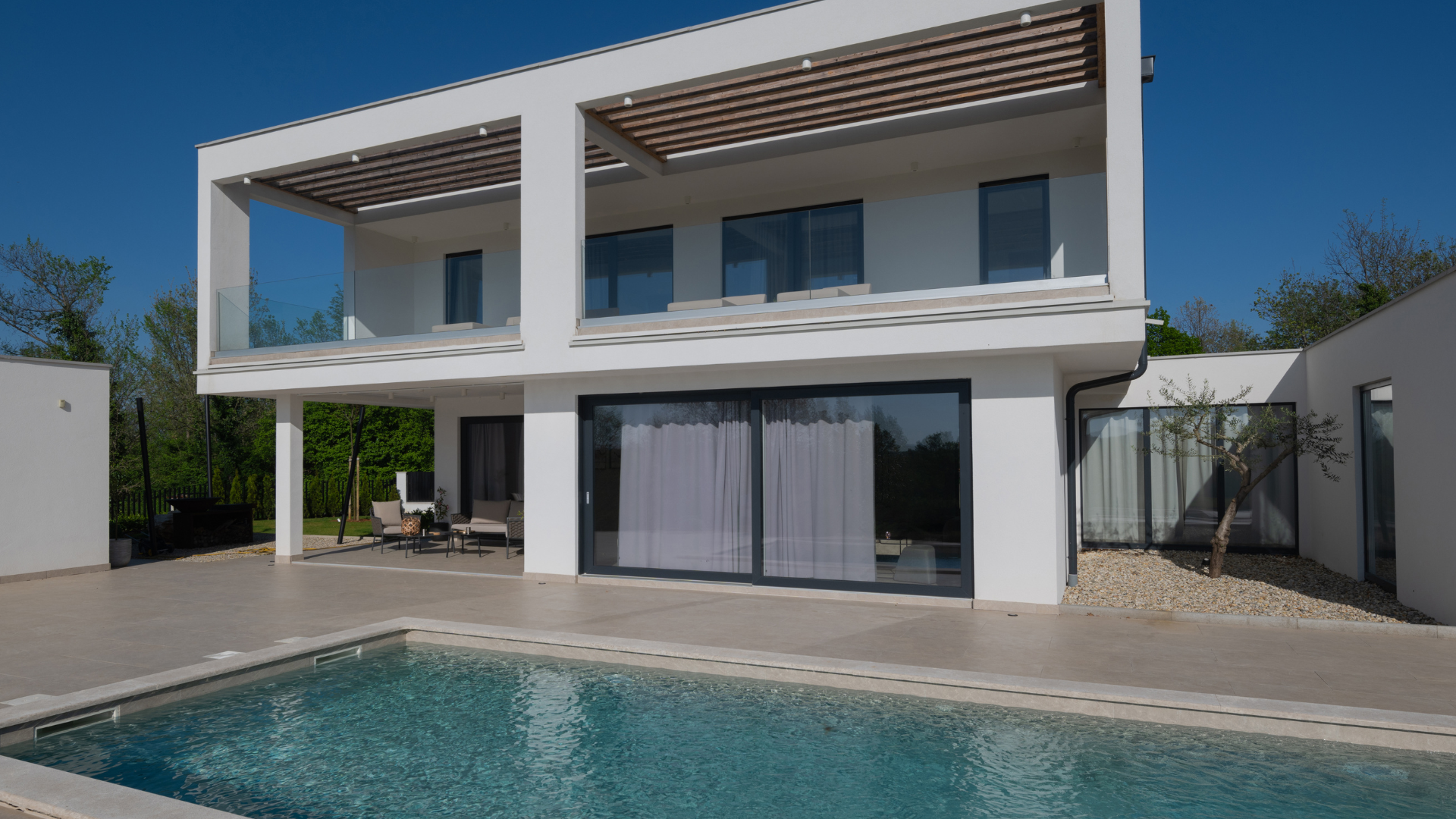
Expert Pool Maintenance & Winter Closings: Keep Your Pool Pristine Year-Round
From summer chemical balancing to essential winterizations, learn how Big Becks Pools and Pavers keeps your pool safe and sparkling…
Adrian Lasala

Custom In-Ground Pools & Elegant Pavers in Nassau County
Looking for the best pool and paver contractor in Nassau County? Big Becks Pools and Pavers specializes in custom in-ground…
Adrian Lasala
Pool Financing Solutions
We have partnered with Lyon Financial to provide flexible financing options.