New Pool Construction
Building beautiful, lasting pools designed for how you live.
Big Becks' Blog
How to Design a Custom Waterfall That Matches Your Pool

A well-planned pool waterfall should complement your pool’s shape, surrounding landscape, and everyday use.
A custom waterfall can transform a swimming pool into a more inviting outdoor retreat. It adds movement, sound, and visual interest while creating a stronger connection between the pool and the surrounding landscape. The most successful designs are not simply attractive features added to an existing pool. They are carefully planned to suit the pool’s proportions, architectural style, and practical requirements.
Whether you are planning a new pool or updating an existing one, the right waterfall can make your outdoor space feel more complete. The key is to choose a design that works with the pool rather than competing with it.
Start With Your Pool’s Shape and Style
The pool itself should be the starting point for your waterfall design. Its shape, size, depth, and surrounding materials all influence which feature will look balanced.
A geometric pool with straight lines often suits a modern waterfall with a simple profile. A curved pool may work better with a softer design that follows its natural shape. The goal is to create visual harmony rather than make the waterfall compete with the pool.
Consider the following questions before selecting a design:
- Is the pool rectangular, freeform, or kidney-shaped?
- Does the pool have a raised wall, spa, or existing feature that could support a waterfall?
- Are the surrounding materials concrete, natural stone, brick, or another finish?
- Is the overall landscape modern, traditional, tropical, or naturalistic?
- Will the waterfall be viewed mainly from the pool, the patio, or inside the home?
These details help determine the appropriate size, placement, and materials. A waterfall that looks impressive in isolation may feel oversized if it does not suit the pool’s proportions.
If you are still planning your pool, exploring pool installation options can help you consider water features alongside the overall pool layout.
Choose a Waterfall Style That Complements the Pool
Custom waterfalls come in several styles, each offering a different visual effect. Selecting the right one is about more than personal preference. It is also about how the feature interacts with the pool and surrounding space.
Sheer Descent Waterfalls
A sheer descent waterfall creates a smooth, continuous sheet of water that flows from a narrow opening into the pool. It is a popular choice for modern and contemporary designs because of its clean lines and controlled appearance.
This style works particularly well with raised walls, outdoor kitchens, and simple architectural landscaping. It can also be incorporated into a spa spillover design for a coordinated look.
Rock Waterfalls
Rock waterfalls are designed to create a more natural appearance. They often use stone, boulders, and varied elevations to produce a cascading effect.
This style can suit freeform pools, natural landscaping, and outdoor spaces that incorporate plants or other organic materials. The rocks should be selected and arranged carefully so the feature looks intentional rather than disconnected from the rest of the pool.
Wall Waterfalls
A wall waterfall uses a raised wall or decorative structure as the main design element. Water may flow from a narrow opening, spill over the wall, or cascade across a textured surface.
This option can be useful when space is limited or when the pool already includes a suitable wall. It can also create a strong focal point without requiring a large rock formation.
Spa Spillovers
A spa spillover allows water to flow from a raised spa into the swimming pool. It combines two practical features into one visual element.
The design can be simple and understated or more decorative, depending on the surrounding materials. A spa spillover is especially effective when the spa and pool are designed together from the beginning.
For homeowners interested in a vinyl pool, vinyl pool installation and design options can help you explore how a water feature may fit into the overall pool plan.
Consider the Size and Proportion
One of the most important design decisions is the size of the waterfall. A feature that is too small may look insignificant, while one that is too large can overwhelm the pool.
The waterfall should be proportionate to the pool’s width, surrounding structures, and available space. A narrow sheet of water may be ideal for a compact pool wall, while a larger pool may accommodate a broader feature or a more substantial rock design.
Think about the waterfall from different viewing positions. It should look balanced from the pool, patio, and other areas where people spend time.
The height also affects the overall impression. A low waterfall can create a subtle, relaxing effect, while a taller feature may become a prominent focal point. The choice should reflect the atmosphere you want to create.
Select Materials That Work With Your Landscape
Materials play a major role in how the waterfall looks and how well it fits into the surrounding outdoor space.
Natural stone can create a textured, organic appearance. Smooth stone or tile may be better suited to a modern design. Brick, concrete, and other finishes can also be used to coordinate the waterfall with the pool deck and nearby structures.
When selecting materials, consider:
- The colour and texture of the pool coping
- The finish of the pool deck
- The style of nearby retaining walls or outdoor structures
- The surrounding plants and landscaping
- The level of maintenance required
The best material choice is one that looks attractive while also working with the pool’s construction and long-term maintenance needs.
Plan the Water Flow and Sound
A waterfall is not only a visual feature. It also changes how the pool sounds and how water moves through the space.
The sound of flowing water can create a relaxing atmosphere, but the volume depends on the height, flow rate, and design of the waterfall. A gentle sheet of water may produce a quieter effect, while a larger cascade can create a more noticeable sound.
Water flow should also be planned to avoid unnecessary splashing. The feature should direct water into the pool in a controlled way and work efficiently with the pool’s circulation system.
It is important to consider how the waterfall will operate when the pool is being used. A feature that looks attractive when viewed from a distance should also be comfortable for swimmers and suitable for the pool’s everyday use.
Think About Lighting and Evening Use
Pool lighting can make a waterfall a striking feature after sunset. The right lighting can highlight the movement of water, the texture of stone, or the clean lines of a modern design.
Lighting should be planned as part of the waterfall design rather than added as an afterthought. Consider whether you want the feature to be softly illuminated or to serve as a stronger focal point.
The surrounding pool lighting should also be coordinated with the waterfall. This helps create a consistent atmosphere across the pool, patio, and outdoor living areas.
Make Maintenance Part of the Design
A custom waterfall should be designed with maintenance in mind. Water features can collect leaves, debris, and mineral deposits, so access for cleaning and servicing is important.
The design should allow for practical maintenance of the pump, plumbing, and water outlets. Materials should also be selected with the local environment and pool maintenance requirements in mind.
Regular pool care helps keep the water clear and the feature looking its best. Weekly pool cleaning services can support ongoing maintenance, while pool service and repair can help address equipment or circulation issues when needed.
Work With the Existing Landscape
A waterfall should feel connected to the rest of the outdoor space. Its placement, materials, and surrounding landscaping all contribute to that connection.
Consider how the feature relates to:
- Outdoor seating areas
- Poolside planting
- Retaining walls
- Patios and walkways
- Fencing and privacy screens
- Outdoor kitchens or entertaining areas
The waterfall can be used to create a visual transition between the pool and the surrounding landscape. However, it should not obstruct important pathways or make the space feel crowded.
A thoughtful design also considers how the waterfall will look when the pool is not in use. The feature should remain attractive as part of the overall landscape rather than relying only on the presence of swimmers.
Set a Practical Budget
Custom waterfall designs vary in cost depending on their size, materials, construction requirements, plumbing, and equipment.
Before choosing a design, consider the full scope of the project. This may include structural work, plumbing, pumps, lighting, finishes, and any landscaping changes needed around the feature.
A clear budget helps you prioritise the elements that matter most. For example, you may prefer a simpler waterfall with high-quality materials rather than a larger feature that requires more complex construction and maintenance.
It is also useful to consider long-term operating costs. A well-planned waterfall should provide the desired effect without creating unnecessary demands on the pool’s circulation system.
Conclusion
Designing a custom waterfall that matches your pool involves more than choosing an attractive feature. The best results come from considering the pool’s shape, the surrounding landscape, the desired water flow, and the practical requirements of construction and maintenance.
Whether you prefer a sleek sheer descent, a natural rock cascade, or a spa spillover, the waterfall should complement the pool and enhance the overall outdoor living space. By planning the design carefully and selecting suitable materials, you can create a feature that adds visual interest, soothing sound, and lasting enjoyment to your backyard.
Frequently Asked Questions
1. What type of waterfall is best for a modern pool?
A sheer descent or wall waterfall is often a good choice for a modern pool because it offers clean lines and a simple appearance. The final design should still match the pool’s shape, materials, and surrounding landscape.
2. Can a waterfall be added to an existing pool?
Yes, depending on the pool’s structure, available space, and plumbing requirements. A professional assessment can help determine whether a raised wall, rock feature, or another design is suitable for the existing pool.
3. How much maintenance does a pool waterfall require?
Maintenance depends on the waterfall’s design, materials, and equipment. Regular cleaning, checking the water flow, and maintaining the pump and plumbing can help keep the feature operating properly.
4. Can a waterfall be combined with a spa?
Yes. A spa spillover is a common way to connect a raised spa with the swimming pool. It can create a coordinated design while allowing water to flow between the two features.
5. Should I plan the waterfall before installing the pool?
Planning the waterfall during the pool design stage is often helpful because it allows the feature’s structure, plumbing, and placement to be considered alongside the rest of the pool. This can help create a more cohesive result.
Final Conclusion
A custom waterfall can become one of the most distinctive elements of your pool, but its success depends on thoughtful planning. By matching the feature to your pool’s shape, selecting suitable materials, considering water flow, and allowing for practical maintenance, you can create a design that feels balanced and purposeful.
The right waterfall should enhance your outdoor living space without overwhelming it. With careful design and professional installation, it can provide a beautiful focal point and a relaxing water experience for years to come.

Designing the Perfect Pool Deck: Balancing Safety, Texture, and Style
Designing a beautiful pool deck is more than just picking a color. Discover the critical relationship between wet-surface safety, comfort…
Adrian Lasala
Pavers vs. Concrete: Why Long Island Homeowners Choose Premium Hardscaping
Discover why Long Island homeowners choose premium hardscaping over poured concrete for pool decks. Learn about winter durability, heat resistance,…
Adrian Lasala
Opening vs Closing Pool Service: What Long Island Homeowners Should Know
Opening and closing a swimming pool are seasonal maintenance services that help prepare the pool for use and protect it…
AMG SEO
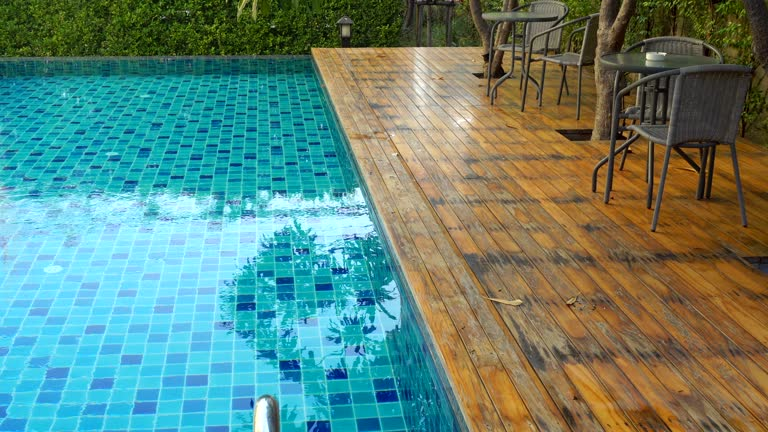
A Guide to Maintaining Clean Pool Decks and Surrounding Areas
Regular outdoor cleaning helps keep poolside surfaces, patios, and entertaining areas looking well maintained throughout the swimming season. Why Pool…
AMG SEO
How to Design a Custom Waterfall That Matches Your Pool
A well-planned pool waterfall should complement your pool’s shape, surrounding landscape, and everyday use. A custom waterfall can transform a…
AMG SEO

The Smart Pool Revolution: High-Tech Upgrades for Effortless Backyard Luxury
Stop working for your pool and let your pool work for you. Explore the cutting-edge world of smart pool automation,…
Adrian Lasala
Pool Financing Solutions
We have partnered with Lyon Financial to provide flexible financing options.