New Pool Construction
Building beautiful, lasting pools designed for how you live.
Big Becks' Blog
Why Timing Matters When Closing Your Pool for Winter

Introduction
Closing your pool for the winter is a necessary part of seasonal maintenance, but many homeowners underestimate the importance of timing. Closing too early can create problems just as much as closing too late, and both scenarios may affect the safety, cleanliness, and longevity of your pool. By understanding when and why timing matters, you can protect your investment, save money on maintenance, and ensure a smoother opening when spring returns.
Risks of Closing Too Early
It may be tempting to close your pool as soon as the weather begins to cool, but shutting it down too early can actually cause more harm than good. Warm fall days are still common in many regions, and if the water remains above 65 degrees, algae growth is likely. Once algae blooms under the cover, it can be difficult and costly to treat in the spring. Closing early can also shorten your swimming season unnecessarily, leaving you without the chance to enjoy those unexpected warm weekends in late September or even early October.
Dangers of Closing Too Late
On the other hand, waiting too long to close your pool comes with its own set of risks. Once nighttime temperatures consistently dip below freezing, water in the pipes, pump, or filter can freeze and expand, leading to cracks and expensive damage. Additionally, debris like leaves and twigs are more likely to collect in the pool during late fall, making cleanup more difficult. A late closing not only puts your equipment at risk but also adds extra work and costs when you reopen the pool.
The Ideal Window for Pool Closing
The best time to close your pool is when the water temperature consistently stays between 50 and 65 degrees. At this range, algae growth slows significantly, and freezing conditions are not yet a major threat. For many areas, this sweet spot typically falls in mid-to-late fall, though regional climate plays a big role. Timing your closing within this window helps balance safety and maintenance while maximizing your swimming season.
Benefits of Closing at the Right Time
When you close your pool during the ideal window, you reduce the chances of algae growth, protect your equipment from freezing, and minimize debris accumulation. This leads to clearer water, less chemical use, and an easier reopening process in the spring. Proper timing also ensures your cover lasts longer, as it won’t be subjected to unnecessary wear during warm weeks or excessive strain during early winter storms. Ultimately, the right timing protects both your pool and your budget.
Conclusion
Timing is one of the most important factors in closing your pool for the winter. Closing too early invites algae growth, while closing too late risks freezing damage and extra debris. By waiting until the water temperature consistently falls between 50 and 65 degrees, you can safeguard your pool, simplify spring maintenance, and extend your enjoyment of the swimming season. Getting the timing right is a simple step that makes a big difference in protecting your pool year after year.
CLICK HERE to ensure your pool is properly winterized and protected against the elements by scheduling your professional pool closing with our expert team today.
The Perfect Timing: When Should You Close Your Pool?
Closing your pool for the winter is a necessary part of seasonal maintenance, but many homeowners underestimate the importance of timing. Closing too early can create problems just as much as closing too late, and both scenarios may affect the safety, cleanliness, and longevity of your pool. By understanding when and why timing matters, you can protect your investment, save money on maintenance, and ensure a smoother opening when spring returns.
Risks of Closing Too Early
It may be tempting to close your pool as soon as the weather begins to cool, but shutting it down too early can actually cause more harm than good. Warm fall days are still common in many regions, and if the water remains above 65°F, algae growth is likely. Once algae blooms under the cover, it can be difficult and costly to treat in the spring. Closing early can also shorten your swimming season unnecessarily, leaving you without the chance to enjoy those unexpected warm weekends in late September or even early October.
Dangers of Closing Too Late
On the other hand, waiting too long to close your pool comes with its own set of risks. Once nighttime temperatures consistently dip below freezing, water in the pipes, pump, or filter can freeze and expand, leading to cracks and expensive damage. Additionally, debris like leaves and twigs are more likely to collect in the pool during late fall, making cleanup more difficult. A late closing not only puts your equipment at risk but also adds extra work and costs when you reopen the pool.
The Ideal Window for Pool Closing
The best time to close your pool is when the water temperature consistently stays between 50°F and 65°F. At this range, algae growth slows significantly, and freezing conditions are not yet a major threat. For many areas, this “sweet spot” typically falls in mid-to-late fall, though regional climate plays a big role. Timing your closing within this window helps balance safety and maintenance while maximizing your swimming season.
Frequently Asked Questions: Closing Timing & Strategy
Is it okay to close my pool if it’s still 70 degrees outside during the day?
In 2026, we strongly advise against closing while daytime temperatures are still hitting 70°F or higher. Algae is a plant, and it thrives on heat and sunlight. When you cover a “warm” pool, you create a dark, humid greenhouse environment that consumes your winter chemicals in weeks rather than months. If you close too early, you’ll likely pull back the cover in the spring to find a “swamp” instead of a pool. Wait until the water temperature is consistently below 65°F.
What should I do if a sudden “Flash Freeze” is predicted before my scheduled closing?
If a surprise freeze is coming and your lines aren’t blown out yet, the best defense is circulation. Moving water is much harder to freeze than standing water. Keep your pool pump running 24/7 until the temperature rises or until our team arrives for your professional closing. Most modern 2026 automation systems have a built-in “freeze protection” mode that will trigger the pump automatically when air temperatures hit 38°F.
Do salt-water pools need to be closed earlier or later than chlorine pools?
Salt-water pools have a unique timing constraint: most salt cells stop producing chlorine once the water temperature drops below 60°F. This means there is a “danger zone” between 60°F and the time you actually close where your pool is no longer being sanitized automatically. During this window, you should manually add a small amount of liquid chlorine to bridge the gap until the official closing day to prevent late-season algae blooms.
Does the amount of trees in my yard affect when I should close?
Absolutely. If you have large deciduous trees (like Oaks or Maples), you are in a race against the “leaf drop.” If you wait until all the leaves have fallen, your skimmers may clog, causing the pump to run dry and overheat. For high-debris yards, we recommend closing in mid-October—just as the leaves start to turn but before the heavy drop begins—to ensure the water is clean when the cover goes on.

Designing the Perfect Pool Deck: Balancing Safety, Texture, and Style
Designing a beautiful pool deck is more than just picking a color. Discover the critical relationship between wet-surface safety, comfort…
Adrian Lasala
Pavers vs. Concrete: Why Long Island Homeowners Choose Premium Hardscaping
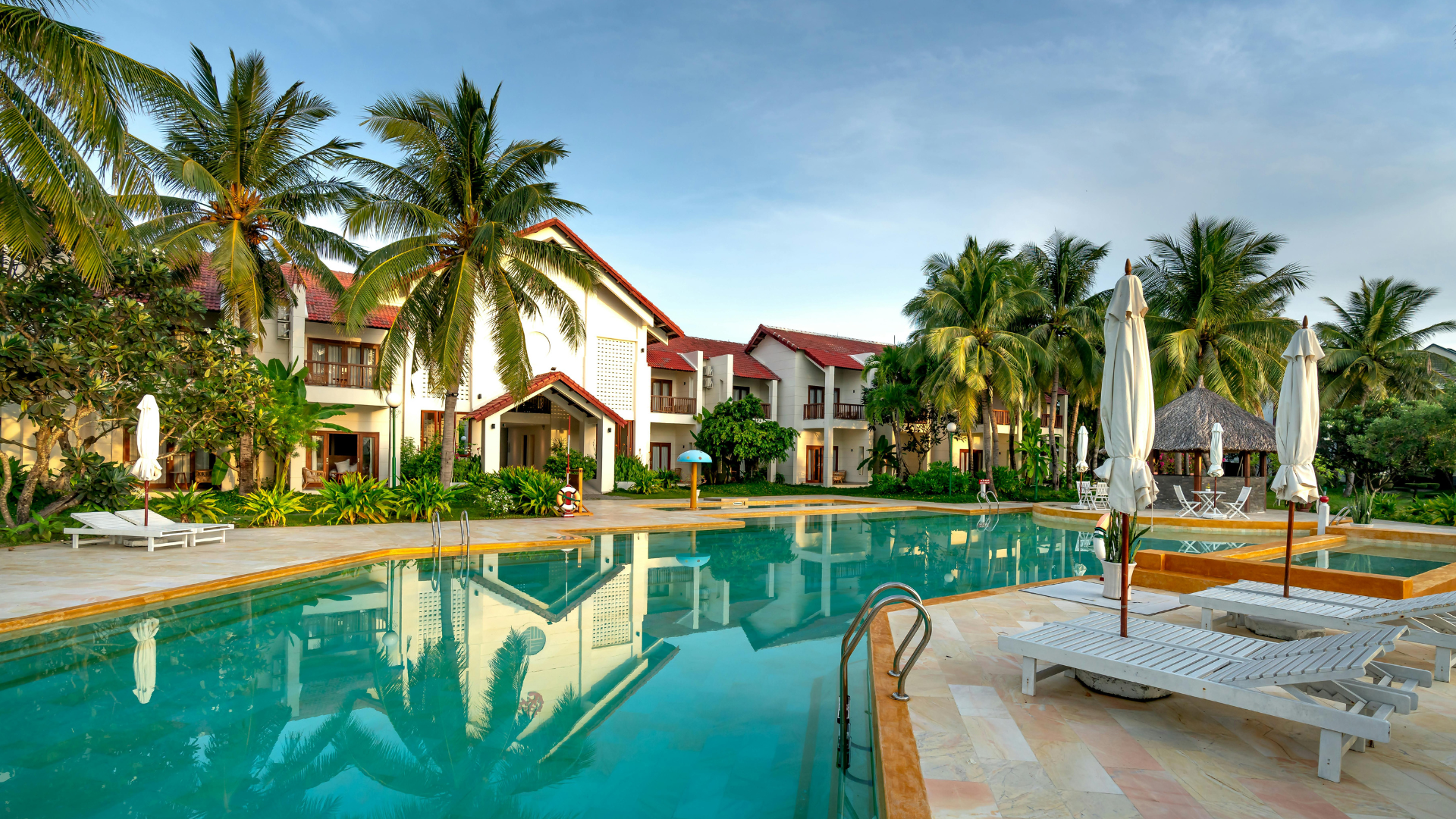
Discover why Long Island homeowners choose premium hardscaping over poured concrete for pool decks. Learn about winter durability, heat resistance,…
Adrian Lasala
Opening vs Closing Pool Service: What Long Island Homeowners Should Know
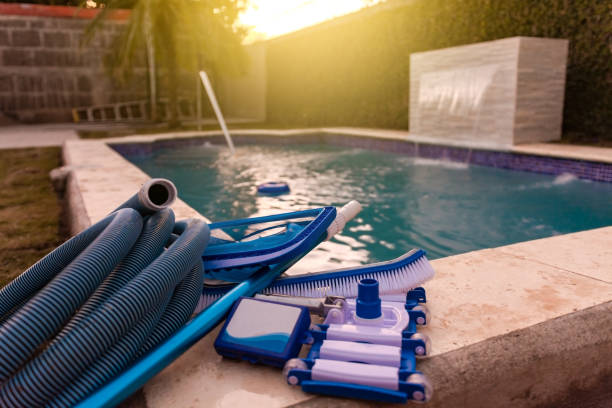
Opening and closing a swimming pool are seasonal maintenance services that help prepare the pool for use and protect it…
AMG SEO
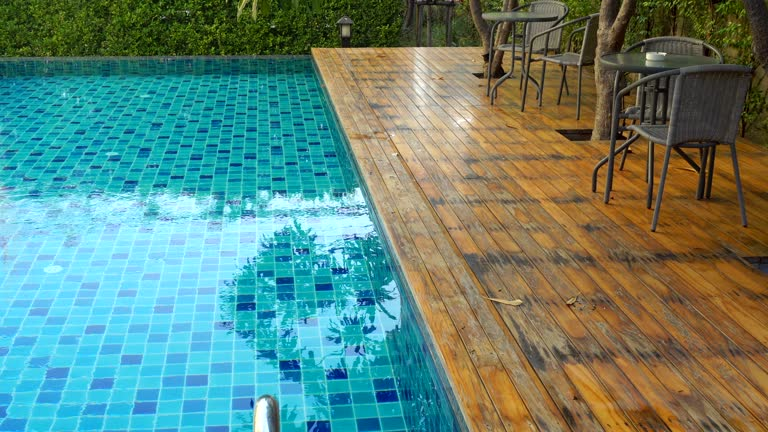
A Guide to Maintaining Clean Pool Decks and Surrounding Areas
Regular outdoor cleaning helps keep poolside surfaces, patios, and entertaining areas looking well maintained throughout the swimming season. Why Pool…
AMG SEO

How to Design a Custom Waterfall That Matches Your Pool
A well-planned pool waterfall should complement your pool’s shape, surrounding landscape, and everyday use. A custom waterfall can transform a…
AMG SEO

The Smart Pool Revolution: High-Tech Upgrades for Effortless Backyard Luxury
Stop working for your pool and let your pool work for you. Explore the cutting-edge world of smart pool automation,…
Adrian Lasala
Pool Financing Solutions
We have partnered with Lyon Financial to provide flexible financing options.